-
Address
Guangdong, China -
WhatsApp
+86 135 2795 8363

.jpg)
02/03/2025
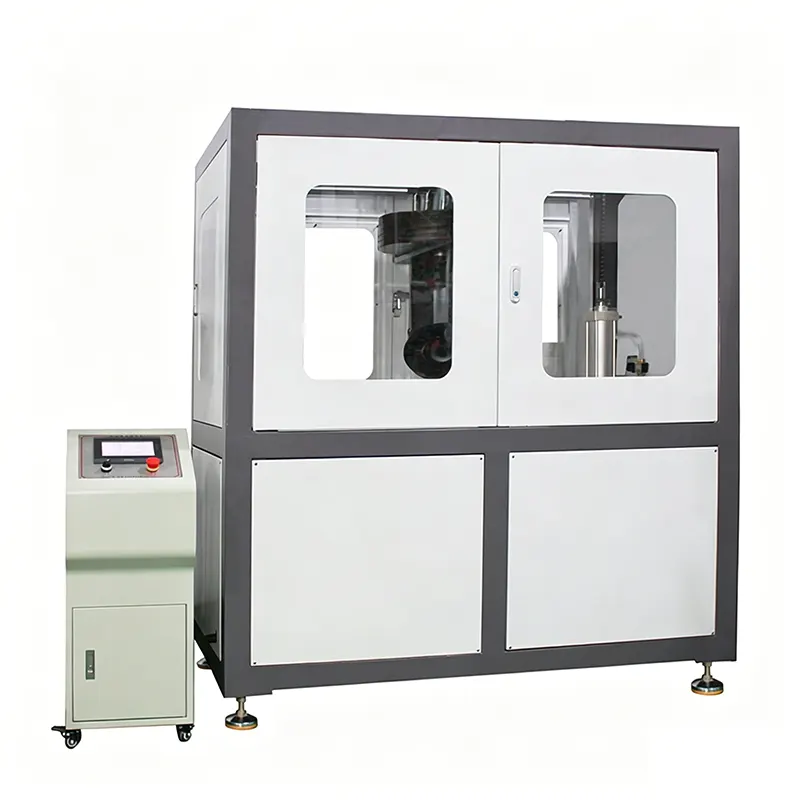
From Prototype to Certification – The Complete E-Scooter Testing Workflow Bringing an e-scooter from prototype to certified product requires a structured testing workflow. This guide walks through each stage — from design for compliance to final certification — ensuring your e-scooter meets EN 17128, UL 2272, and global market access requirements. ⚡ Key Takeaway The e-scooter testing workflow has 4 main stages: (1) Design for Compliance, (2) Pre-Compliance Testing, (3) Full Compliance Testing, and (4) Certification. Starting compliance planning at the prototype stage prevents costly redesigns and accelerates time-to-market. A structured workflow with the right test equipment and lab partners is essential for success. 📋 Table of Contents Prototype to Certification Gap Design for Compliance in E-Scooter Testing Workflow Pre-compliance Testing for E-scooter Testing Workflow Mechanical Durability Testing in the E-Scooter Testing Workflow Braking Performance Testing in the Complete E-Scooter Testing Workflow E-scooter Testing Workflow: Electrical and Battery Safety Ingress Protection and Environmental Testing From Prototype to Certification – The Complete E-Scooter Testing Workflow: EMC Testing Global Certification Standards What This Means for Testing From Prototype to Certification – Battery Transport Compliance Technical Documentation for the E-Scooter Testing Workflow Change Control for From Prototype to Certification – The Complete E-Scooter Testing Workflow Revision Control Mass Production Quality Control Common Certification Failure Points in E-Scooter Testing Workflow FAQ: E-scooter Testing Workflow Related Sources 🎯 Key Takeaways Prototype to Certification Gap Design for Compliance in E-Scooter Testing Workflow Pre-compliance Testing for E-scooter Testing Workflow Mechanical Durability Testing in the E-Scooter Testing Workflow Prototype to Certification Gap E-Scooter Production Line Aging Test System 5-Station A working e-scooter prototype is not the same as a certification-ready product. In my experience, teams often focus on performance first and overlook the compliance details that labs will test hard. That gap is where delays, rework, and avoidable…
02/03/2024
📋 Table of Contents Defining the Scope – Does Your Vehicle Fall Under EN 17128? Vehicle Classification under EN 17128 Core Mechanical Testing Requirements Electrical Safety and Battery Management Dynamic Performance and Safety Features CE Marking and Market Entry Common EN 17128 Questions (FAQ) EN 17128 Explained – Full Guide to E-Scooter Testing Requirements Before you invest in testing, you must determine if EN 17128 is the correct compliance pathway for your product. This guide explains the scope, vehicle classification, testing requirements, and CE marking process for Personal Light Electric Vehicles (PLEV) — helping manufacturers navigate EU compliance without costly missteps. ⚡ Key Takeaway EN 17128 applies to all personal light electric vehicles with a maximum design speed of 25 km/h (15.5 mph). If your vehicle exceeds this speed, it falls under L-category type approval (Regulation EU 168/2013) — a much more expensive certification process. Getting this right early saves significant time and money. 🎯 Key Takeaways Defining the Scope – Does Your Vehicle Fall Under EN 17128? Vehicle Classification under EN 17128 Core Mechanical Testing Requirements for EN 17128 EN 17128 Explained: Electrical Safety and Battery Management Defining the Scope – Does Your Vehicle Fall Under EN 17128? E-Scooter Handlebar Fatigue Test Machine for EN 17128 Compliance Identifying Personal Light Electric Vehicles (PLEV) The standard defines a PLEV as a wheeled vehicle, totally or partially motorized, with an on-board power source. To qualify under EN 17128, your vehicle must meet these specific criteria: Intended Use: Designed for personal transport on public spaces or private paths. Position: Can be used in a standing or seated position (depending on the class). Power Source: Must utilize an electric motor. The 25 km/h Threshold Speed is the primary factor in regulatory classification. EN 17128 only applies to vehicles with a maximum design speed…
 Derui chamber