-
Address
Guangdong, China -
WhatsApp
+86 135 2795 8363

02/03/2025
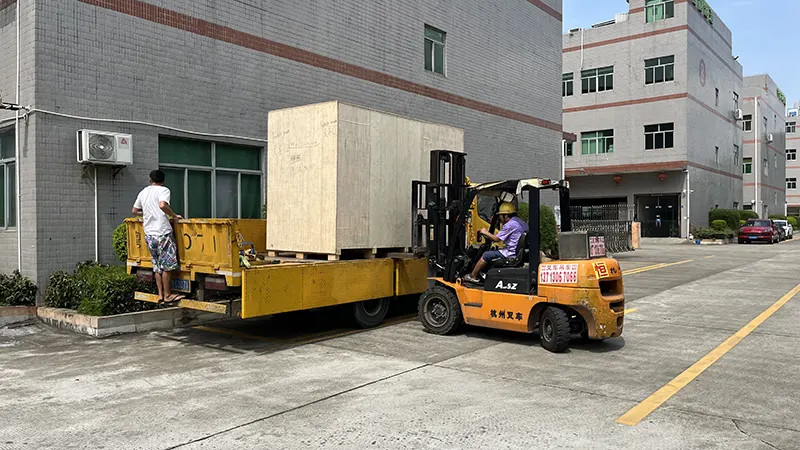
Guangdong Derui Testing Equipment Co., Ltd. supplies testing equipment for bicycle, e-bike, e-scooter and motorcycle-component projects. This company update brings together the key considerations behind a two-wheeler test system: specimen fit, measurement needs, agreed equipment scope and preparation for delivery. At a glance Start with the product, test method and measurements—not a generic machine specification. Confirm fixture interfaces, operating ranges and controls for the proposed configuration. Agree on acceptance records, delivery requirements and support responsibilities before shipment. Crated equipment being handled during dispatch preparation. From Equipment Selection to Dispatch Preparation Preparing test equipment for delivery involves more than packing a machine. The specimen, fixture arrangement, test sequence and measurement requirements must be understood alongside the destination’s site conditions and the agreed supply scope. The dispatch photograph above shows a practical part of this process: handling crated equipment outside a factory building. The image does not identify the enclosed equipment model, customer, destination or test configuration. Those details belong in the project’s approved technical and shipping records. Different Two-Wheeler Projects Need Different Test Configurations A bicycle frame, scooter stem and motorcycle component do not present the same mounting or loading problem. Likewise, structural durability testing and motor-performance measurements require different equipment and data channels. A system should be selected against a defined task rather than assumed to cover every test in a product’s compliance programme. Project focus Information to establish What to confirm in the proposal Frame and component durability Specimen drawings, mounting points, load directions and test sequence Fixture design, actuator range, control mode and stop conditions Motor or vehicle performance Operating conditions, required measurements and intended test programme Loading arrangement, measurement channels and data output Production checks Inspection steps, pass/fail limits, throughput and identification needs The checks actually included, interfaces and result records Delivery and installation Available utilities, access,…
 Derui chamber