Derui chamber
Guangdong Derui Testing Equipment Co., Ltd. supplies testing equipment for bicycle, e-bike, e-scooter and motorcycle-component projects. This company update brings together the key considerations behind a two-wheeler test system: specimen fit, measurement needs, agreed equipment scope and preparation for delivery.
- Start with the product, test method and measurements—not a generic machine specification.
- Confirm fixture interfaces, operating ranges and controls for the proposed configuration.
- Agree on acceptance records, delivery requirements and support responsibilities before shipment.
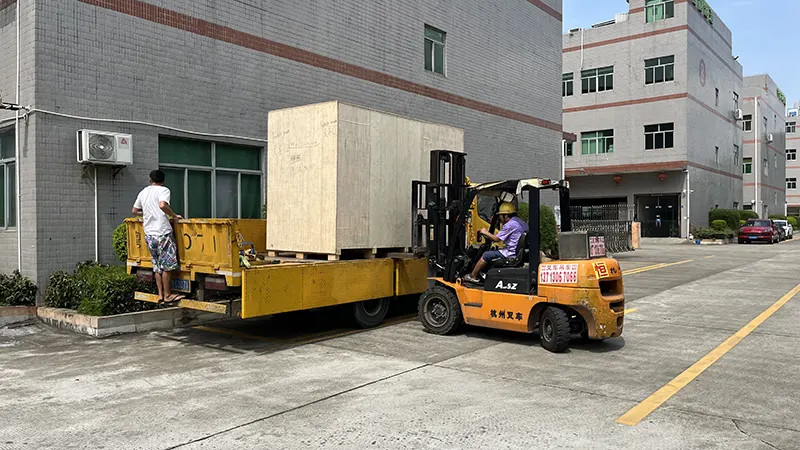
From Equipment Selection to Dispatch Preparation
Preparing test equipment for delivery involves more than packing a machine. The specimen, fixture arrangement, test sequence and measurement requirements must be understood alongside the destination’s site conditions and the agreed supply scope.
The dispatch photograph above shows a practical part of this process: handling crated equipment outside a factory building. The image does not identify the enclosed equipment model, customer, destination or test configuration. Those details belong in the project’s approved technical and shipping records.
Different Two-Wheeler Projects Need Different Test Configurations
A bicycle frame, scooter stem and motorcycle component do not present the same mounting or loading problem. Likewise, structural durability testing and motor-performance measurements require different equipment and data channels. A system should be selected against a defined task rather than assumed to cover every test in a product’s compliance programme.
| Project focus | Information to establish | What to confirm in the proposal |
|---|---|---|
| Frame and component durability | Specimen drawings, mounting points, load directions and test sequence | Fixture design, actuator range, control mode and stop conditions |
| Motor or vehicle performance | Operating conditions, required measurements and intended test programme | Loading arrangement, measurement channels and data output |
| Production checks | Inspection steps, pass/fail limits, throughput and identification needs | The checks actually included, interfaces and result records |
| Delivery and installation | Available utilities, access, floor space and handling constraints | Equipment layout, installation responsibilities and agreed documentation |
These are topics for project review, not a universal specification or a promise that every configuration includes all listed functions. For current equipment options, explore our bicycle and frame testing equipment, e-scooter testing machines and motorcycle testing systems.
Define the Test Method and Document Requirements
For an international project, begin with the product classification, target market and approved test method. Record the method edition and the specific procedures the equipment must reproduce. Product safety requirements, battery transport requirements and company certification documents serve different purposes and should not be treated as interchangeable proof.
Before accepting a proposal, identify which tests the quoted configuration supports, what verification is required and which records must accompany the equipment. A standards reference alone does not demonstrate that a machine can perform every test or that the finished product is certified.
For background reading, see our articles on the distinction between kick-scooter and e-scooter standard routes and planning equipment requirements for EN 17128 testing. The project’s approved method and scope remain the basis for equipment selection.
Make Acceptance and Delivery Responsibilities Clear
Sample trials, verification checks and acceptance criteria should be agreed before dispatch. Where required, specify the content and scope of calibration or verification records, operating manuals, training materials and software documentation.
Delivery planning should also address equipment dimensions, unloading, utilities and installation access. Installation, training, warranty and spare-parts support need to be defined in the quotation or contract rather than assumed to be identical for every destination.
Start with a Clear Project Brief
A useful first enquiry includes the product or component to be tested, available drawings, the intended method, required operating ranges and the measurements to be recorded. Add the installation country and project stage so that equipment and delivery requirements can be discussed together.
This gives the technical discussion a concrete starting point and helps separate confirmed requirements from questions that still need engineering review.