Derui chamber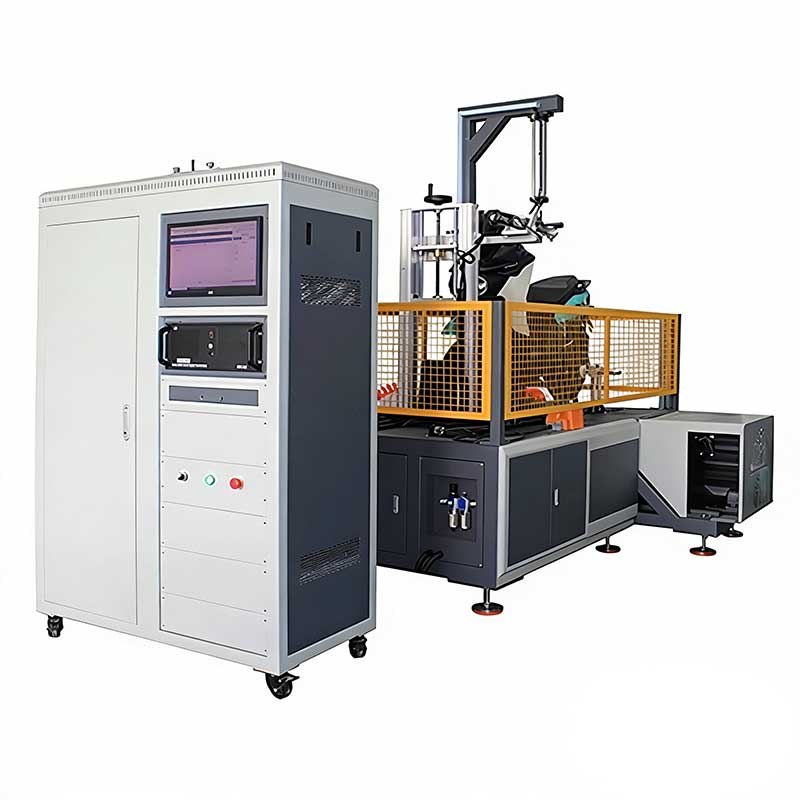

 Message
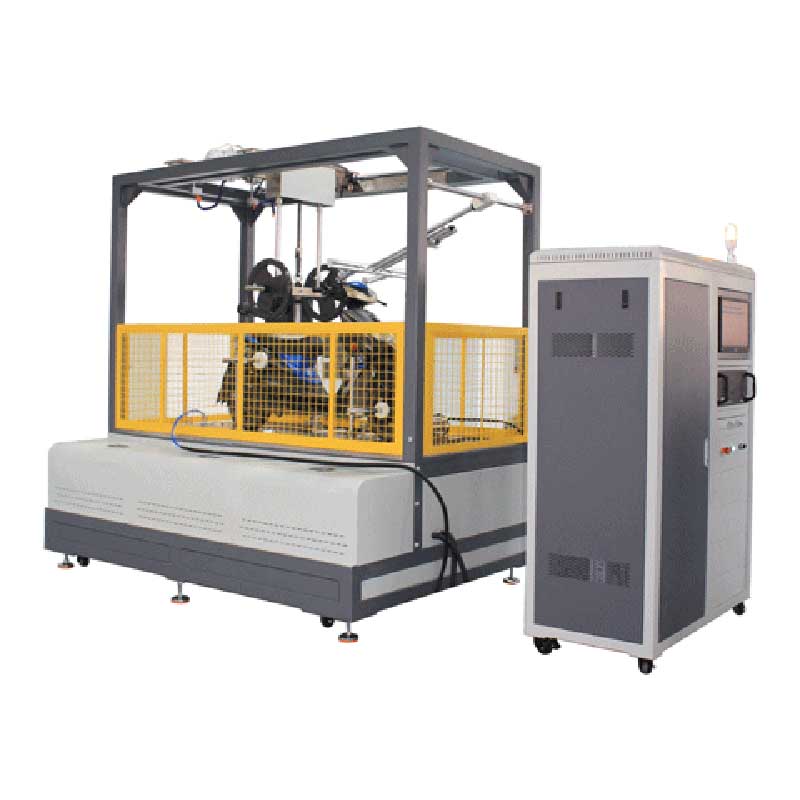
Two Wheeled Electric Vehicle Chassis Dynamometer for EV Testing
This page provides a detailed overview of the Two Wheeled Electric Vehicle Chassis Dynamometer for EV Testing — including features, specifications, test standards, and applications.
⚡ Key Takeaway
This Two Wheeled Electric Vehicle Chassis Dynamometer for EV Testing is designed for professional laboratory and production line testing. It ensures compliance with international standards and delivers reliable, repeatable test results for quality control and certification.
📋 Table of Contents
- Advanced EV Performance Testing
- Core Technology & Road Load Simulation
- Two-Wheeled Electric Vehicle Chassis Dynamometer Specs
- Comprehensive Testing Capabilities of the Two-Wheeled Electric Vehicle Chassis Dynamometer
- Smart Control: The Software Behind Our Two-Wheeled Electric Vehicle Chassis Dynamometer
- Built for Stability and Operator Safety
- Why Derui Sets the Standard for Two-Wheeled Electric Vehicle Chassis Dynamometers
- Two-Wheeled Electric Vehicle Chassis Dynamometer FAQ
- Advanced EV Performance Testing
- Core Technology & Road Load Simulation
- Two-Wheeled Electric Vehicle Chassis Dynamometer Specs
- Built for Stability and Operator Safety
Advanced EV Performance Testing
Are you struggling to capture accurate performance data for modern electric motorcycles using outdated testing equipment? The rapid shift from internal combustion engines (ICE) to electric powertrains has completely disrupted the testing landscape. Relying on legacy systems often leads to skewed data, missed efficiency metrics, and compromised vehicle range verification.
Why Traditional ICE Dynos Fail
Traditional ICE dynamometers fall short when testing electric powertrains. They were engineered for gradual power bands and exhaust emissions, not the unique characteristics of an electric scooter power measurement system. Here is why legacy systems fail today’s EV engineers:
- Instant Torque Delivery: ICE dynos struggle to accurately measure the immediate, flat torque response characteristic of electric motors.
- Regenerative Braking: Older systems completely lack the capability to test and measure energy recovery during deceleration.
- High-Frequency Data: Electric powertrains require faster data acquisition rates to monitor battery discharge and motor controller inputs simultaneously.
The Derui Solution for LEVs
To solve these industry-wide challenges, we introduced the Derui Chassis Dynamometer series. Built specifically for motorcycles and e-scooters, our two-wheeled electric vehicle chassis dynamometer delivers the precision required for modern EV development. We engineered this platform from the ground up to handle the rigorous demands of electric mobility, ensuring accurate road load simulation and reliable performance benchmarking for the US market.
Core Technology & Road Load Simulation
At Derui, we engineer our two-wheeled electric vehicle chassis dynamometer to bring actual street conditions straight into your testing facility. Our advanced road load simulation technology ensures every test run is as authentic as riding on the pavement.
High-Precision AC Variable Frequency Motor
To capture reliable data, you need to replicate the exact physical forces a rider experiences outside. We utilize a high-precision AC variable frequency motor to handle this seamlessly.
- Grade Simulation: Accurately mimics steep uphill climbs and downhill coasting.
- Wind Resistance: Dynamically adjusts the load to simulate aerodynamic drag at varying speeds.
Dynamic Inertia Simulation System
Testing an e-bike or electric motorcycle requires matching its exact physical mass. Our inertia simulation system perfectly replicates real-world vehicle weight and momentum. This guarantees our test bench delivers precise acceleration and coast-down metrics without the hassle of adding physical mechanical flywheels to the rig.
Regenerative Braking Test System
Modern electric powertrains rely heavily on energy recovery to extend their driving range. We integrated a dedicated regenerative braking test system to track this critical metric during every cycle.
- Deceleration Tracking: Measures exactly how much power is captured when the rider backs off the throttle or applies the brakes.
- Energy Recovery Efficiency: Provides clear, actionable data to help you fine-tune motor controllers and maximize overall battery performance.
Two-Wheeled Electric Vehicle Chassis Dynamometer Specs
When we engineer our testing equipment, we focus on the exact metrics needed for accurate electric scooter power measurement and motor controller calibration. Our systems are built to handle the rigorous demands of the US market, ensuring precise data collection for every run without the fluff.
Core Technical Specifications
Here is a breakdown of the primary technical capabilities built into our systems:
| Specification Category | Technical Details |
|---|---|
| Max Test Speed | Up to 160 km/h (100 mph) to handle highway-capable models |
| Roller Design | Optimized diameter with a high-friction coating to prevent tire slip |
| Power & Torque | High maximum absorbed power capacity for reliable torque-speed curve analysis |
| Wheelbase Range | Fully adjustable to fit various Light Electric Vehicles (LEVs) |
Built for Versatility and Precision
- High-Speed Testing: Capable of safely testing vehicles up to 160 km/h, covering everything from neighborhood e-bikes to high-performance electric motorcycles.
- Maximum Grip: The high-friction surface treatment on the rollers guarantees accurate power transfer and prevents data loss during heavy acceleration.
- Adjustable Fit: The wide wheelbase adjustment range means you can easily secure different vehicle sizes on the same two-wheeled electric vehicle chassis dynamometer without extensive downtime.
- Heavy-Duty Absorption: Designed with the maximum absorbed power and torque capacity required to push modern electric powertrains to their absolute limits.
Comprehensive Testing Capabilities of the Two-Wheeled Electric Vehicle Chassis Dynamometer
We designed our two-wheeled electric vehicle chassis dynamometer to handle the full spectrum of EV validation, moving far beyond simple horsepower pulls. This system provides a controlled environment to stress-test every component of an electric motorcycle or e-scooter, ensuring it meets both regulatory standards and consumer expectations for the U.S. market.
Range and Efficiency Verification
Accuracy is everything when it comes to range anxiety. Our system delivers precise kWh/km measurements, allowing you to verify exactly how much energy the powertrain consumes under different loads. By isolating variables, we help you provide honest, data-backed range estimates for your customers.
Drive Cycle Compliance
To get your vehicle road-legal or certified, you need to follow specific protocols. Our software automates the execution of standard and custom drive cycles, including:
- WMTC (World Motorcycle Test Cycle): Full automation for global benchmarking.
- ECE R40: Standardized urban driving simulations.
- Custom Drive Cycles: We can program specific routes—like a hilly San Francisco commute—to see how your vehicle handles local terrain.
Performance Benchmarking
We provide the tools to prove your vehicle’s “street cred.” The dynamometer accurately measures the metrics that riders actually care about:
- Top Speed: Confirmed high-speed stability and motor RPM limits.
- 0-60 Acceleration: Precise timing to evaluate motor controller tuning and “launch mode” effectiveness.
- Hill-Climbing Ability: Simulated gradients to test sustained torque delivery without overheating the motor.
Battery and BMS Monitoring
A two-wheeled electric vehicle chassis dynamometer is only as good as the data it collects. Our system integrates directly with the vehicle’s CAN bus. This allows for real-time data syncing between the dyno and the Battery Management System (BMS). You can monitor cell temperatures, voltage sag, and discharge rates simultaneously with mechanical output, giving you a 360-degree view of the powertrain’s health during heavy load testing.
Smart Control: The Software Behind Our Two-Wheeled Electric Vehicle Chassis Dynamometer
We believe that high-end hardware is only as good as the software running it. That’s why our two-wheeled electric vehicle chassis dynamometer features a control system designed for the way American engineers actually work. We’ve stripped away the overly complex menus and replaced them with a clean, Windows-based interface that lets you focus on the data, not the manual.
Real-Time Data and Instant Visualization
Our Data Acquisition (DAQ) system doesn’t just collect numbers; it tells the story of the vehicle’s performance as it happens. Whether you are performing a torque-speed curve analysis or checking motor controller calibration, the feedback is instantaneous.
- Live Power Graphing: Watch power curves and torque delivery unfold in real-time on a high-resolution dashboard.
- Precision Monitoring: Track every nuance of the electric powertrain, from battery draw to wheel output.
- User-Friendly Interface: A familiar Windows environment means your team can start testing with minimal training.
Automated Reporting and Seamless Export
We know your time is better spent analyzing results than formatting spreadsheets. Our software automates the “boring stuff” so you can get home on time.
- One-Click Generation: Create professional, branded test reports in PDF or Excel formats instantly.
- Custom Data Fields: Tailor your reports to include specific metrics like vehicle range verification or energy consumption (kWh/km).
- Data Integrity: Secure logging ensures that every test run is archived accurately for future benchmarking and compliance audits.
By integrating the vehicle’s CAN bus directly into our software, we provide a unified view of the electric scooter power measurement and battery health, making our system the most comprehensive tool in your lab.
Built for Stability and Operator Safety
Our two-wheeled electric vehicle chassis dynamometer is engineered to handle the intense torque and rapid acceleration characteristic of modern electric powertrains. We focus on a “safety-first” mechanical design that ensures both the vehicle and the technician remain protected during high-speed performance runs.
Heavy-Duty Frame and Vehicle Securing
The foundation of our test bench is a heavy-duty steel frame designed specifically for vibration damping. This rigid construction prevents resonance from interfering with sensitive torque and power measurements. To keep the bike centered and stable, we utilize a professional-grade securing system:
- Pneumatic Front-Wheel Clamping: Provides a firm, automatic grip on the front tire to prevent lateral movement.
- Multi-Point Tie-Down Systems: Integrated anchor points allow for secure strapping of the rear subframe, ensuring the vehicle stays locked to the rollers.
- Adjustable Wheelbase: The platform easily slides to accommodate everything from compact e-scooters to long-wheelbase electric cruisers.
Thermal Management and Protection
Electric vehicle testing generates significant heat in the battery cells and the drive motor. Our chassis dyno includes integrated high-velocity cooling fans that simulate the airflow a vehicle would experience on the open road. This is critical for preventing thermal throttling and ensuring the Battery Management System (BMS) doesn’t shut down the test prematurely.
Safety Specifications at a Glance
| Feature | Function |
|---|---|
| Emergency Stop (E-Stop) | Immediate system-wide shutdown for hardware and software. |
| Over-Speed Protection | Automatic braking if the vehicle exceeds pre-set safety limits. |
| Vibration Isolation | Industrial-grade mounts to protect laboratory floors and equipment. |
| Safety Guarding | Physical barriers to protect operators from rotating components. |
We prioritize a clean, rugged mechanical layout that minimizes maintenance while maximizing uptime. By combining a rock-solid frame with intelligent safety protocols, our two-wheeled electric vehicle chassis dynamometer provides a controlled environment for pushing the limits of EV technology.
Why Derui Sets the Standard for Two-Wheeled Electric Vehicle Chassis Dynamometers
Custom Solutions for Every Lab
We don’t believe in a one-size-fits-all approach. Every R&D facility has unique requirements, and our two-wheeled electric vehicle chassis dynamometer systems are built to reflect that. From adjusting the wheelbase capacity for long-frame electric cruisers to integrating specialized cooling ducts for high-performance battery packs, we customize the hardware and software to match your specific testing goals.
Global Compliance and Certified Accuracy
Reliability is our baseline. Every electric motorcycle test bench we manufacture adheres to strict international benchmarks.
- ISO Certified: Ensuring consistent quality and management standards.
- CE Compliant: Meeting essential health, safety, and environmental requirements.
- Data Integrity: Our systems provide the precision needed for official vehicle range verification and regulatory filings.
Professional Support and Calibration Services
We stand by our equipment long after the initial setup. Our team provides the localized support that United States labs expect to minimize downtime and maximize ROI.
- Precision Calibration: Regular onsite services to keep your sensors and load cells hitting the mark.
- Technical Assistance: Direct access to experts who understand the nuances of EV powertrain durability rigs.
- Future-Proofing: We offer regular software updates to ensure your system stays compatible with the latest WMTC drive cycle testing protocols and emerging EV standards.
Two-Wheeled Electric Vehicle Chassis Dynamometer FAQ
How do we calculate EV range on a chassis dyno?
We determine range by simulating real-world riding conditions using road load simulation. The vehicle is run through standardized drive cycles, such as WMTC or ECE R40, on the rollers. By factoring in aerodynamic drag and vehicle inertia, we measure the total distance traveled until the battery reaches its cutoff point. Our system integrates directly with the vehicle’s BMS to provide an exact kWh/km efficiency rating.
Can Derui systems test both hub motors and mid-drive motors?
Yes. Because our two-wheeled electric vehicle chassis dynamometer measures performance at the tire-to-roller interface, the powertrain configuration does not matter. We provide accurate data for:
- Hub motors: Direct measurement of torque and power at the wheel.
- Mid-drive motors: Capturing output delivered through chains, belts, or gearboxes.
- Regenerative braking: Measuring how much energy is recovered during deceleration regardless of the motor type.
What are the installation requirements for a 2-wheel dyno?
Setting up a professional electric motorcycle test bench requires a few key site specifications:
- Floor Space: A level concrete surface capable of supporting the heavy-duty steel frame and providing enough clearance for cooling fans.
- Power Supply: Standard industrial AC power to run the high-precision variable frequency motor and control cabinet.
- Ventilation: An exhaust or airflow system to manage heat dissipation from the vehicle’s battery and motor during high-load endurance runs.
- Connectivity: A stable network connection for the Windows-based DAQ software and remote technical support.
Is the system compatible with different wheelbases?
We designed the Derui series with a flexible wheelbase adjustment range. The front-wheel clamping system moves along a track, allowing you to quickly switch between testing compact e-scooters and long-wheelbase electric touring motorcycles without changing the hardware.
Need This Equipment?
Derui Tester manufactures this equipment with full compliance to international standards. Contact us for a quote or technical consultation.