-
Address
Guangdong, China -
WhatsApp
+86 135 2795 8363

08/14/2026
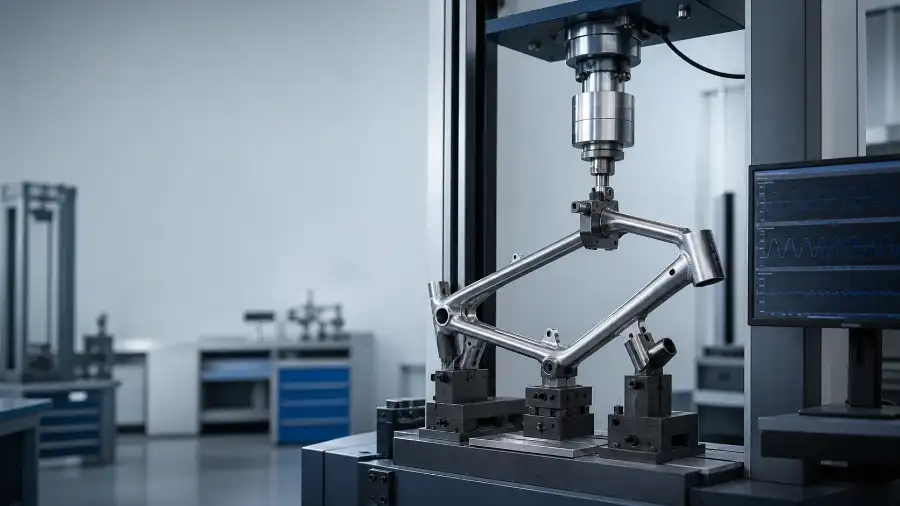
Product & Technical Load, Stroke and Cycle Requirements for Fatigue Test Machines: An RFQ Guide A fatigue test machine should be specified from the method and the specimen, not from the biggest force number in a brochure. Load, stroke and cycle requirements only become meaningful after you define what the test must prove. Define the fatigue test from the method, specimen, load path, actuator travel and cycle programme before selecting machine capacity. Key takeaways Start with the applicable test clause and the product classification. Then define the specimen geometry, the required control mode, the normal operating range, the overload boundary, the cycle profile, the stop conditions and the measurements you need to record. A fatigue machine that is oversized, underspecified or based on the wrong control mode can still fail the project even if its maximum load looks impressive. Many RFQs ask for “one 5 kN fatigue tester” or “one 100,000-cycle machine” before the project team has described what the actuator must control, how far the sample must move, where the load enters the structure or what counts as a failure. That approach usually causes one of two problems: either the quoted machine is too generic to reproduce the method, or the quoted machine includes expensive capacity that never improves the quality of the result. In this guide Start with the engineering decision Defining the required load range Defining actuator stroke and travel Building the fatigue cycle program Selecting the appropriate control mode Preparing the RFQ Frequently asked questions Important: Published standard overviews often confirm scope and general test-method coverage, but the actual numeric inputs, tolerances, sample conditioning and pass or fail logic must come from the current licensed standard or the approved customer method. Start with the Engineering Decision Before discussing load, stroke or cycle count, write one sentence…
 Derui chamber