Derui chamber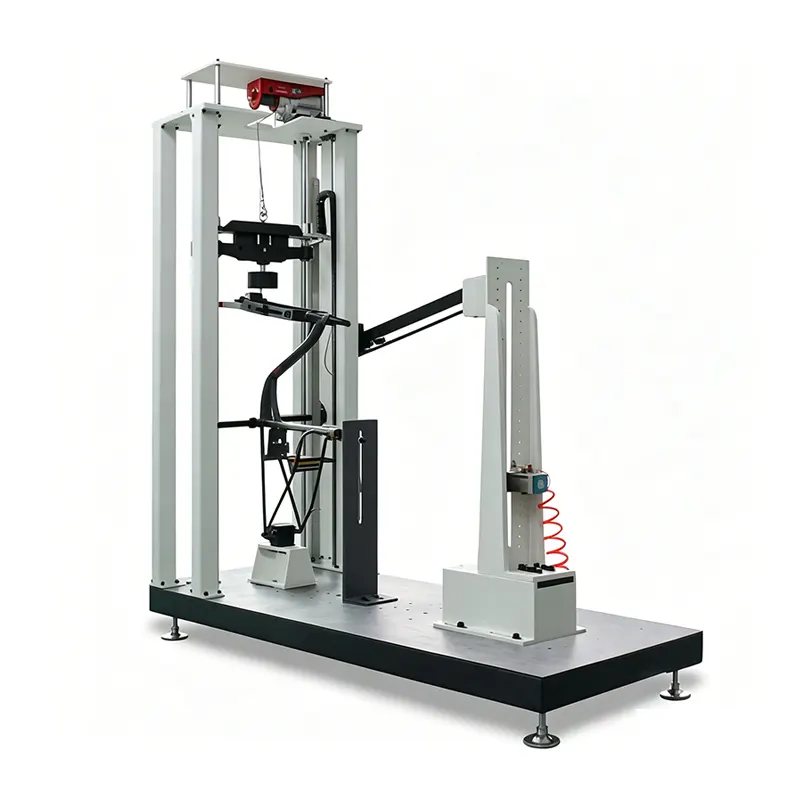

 Message
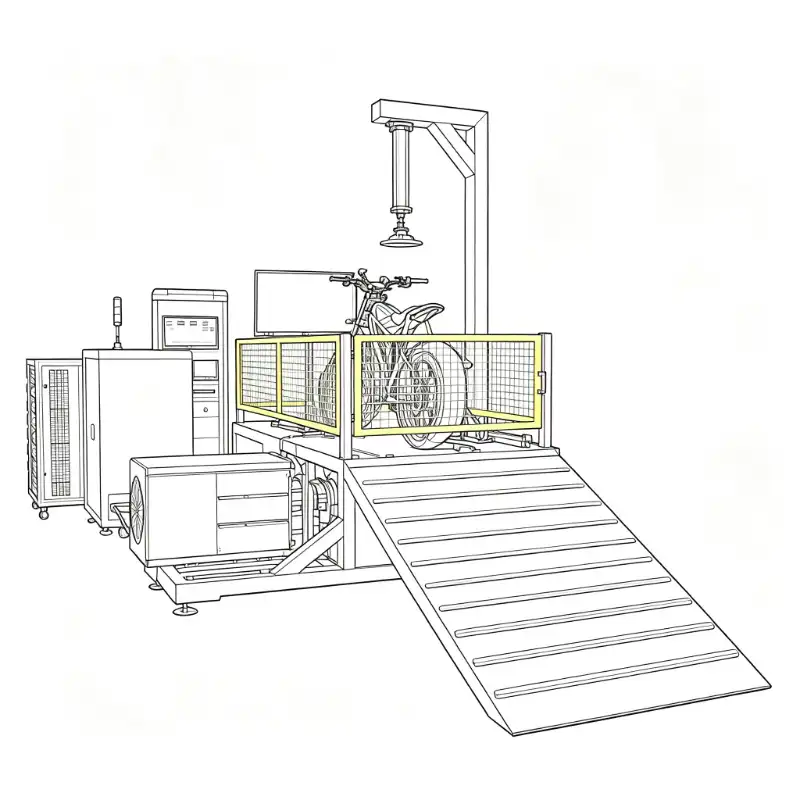
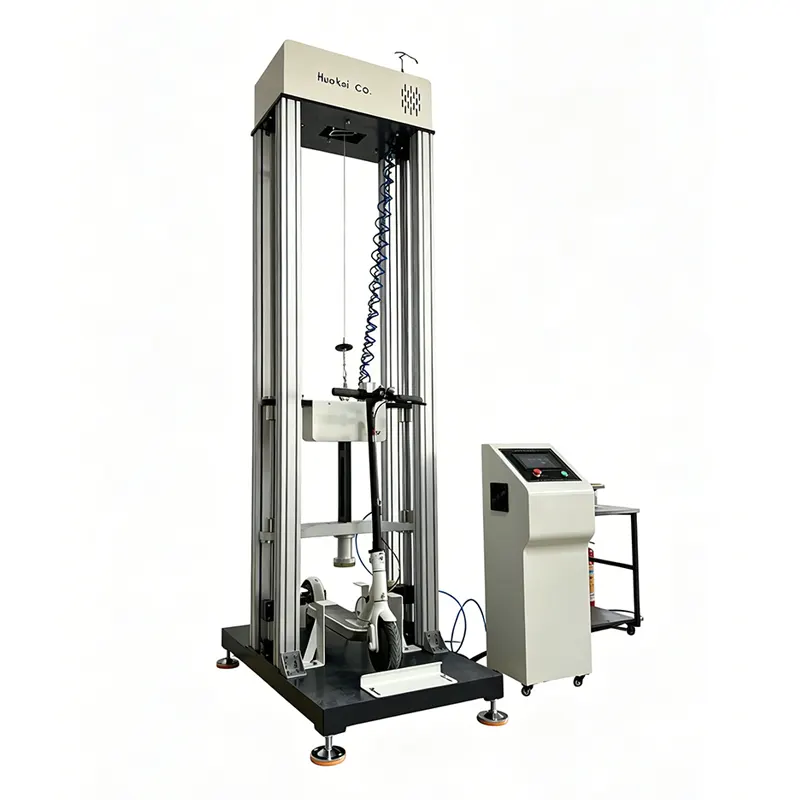
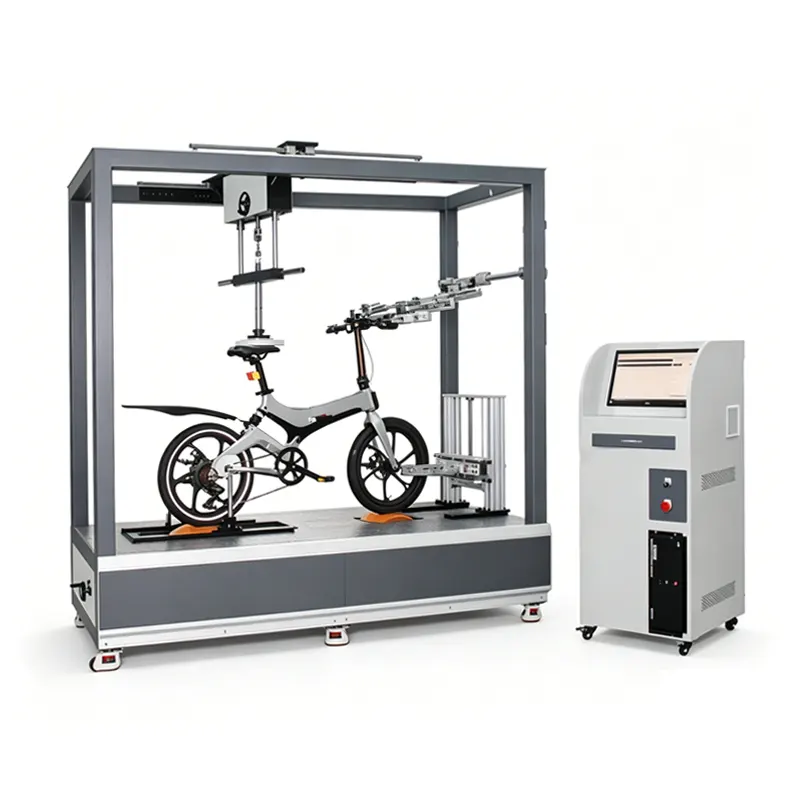
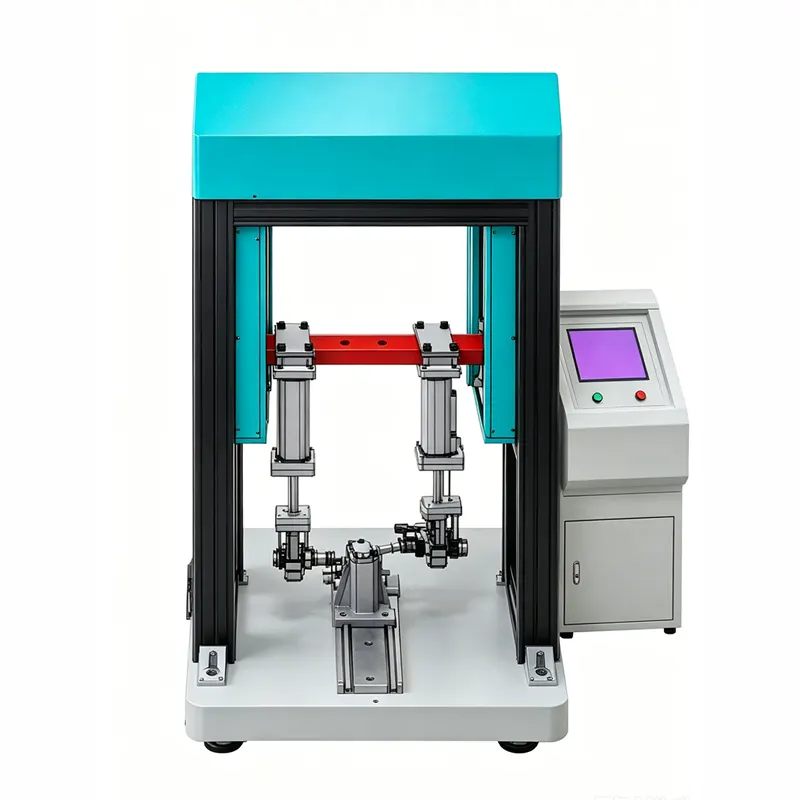
Bicycle Multi-functional Impact and Drop Test Machine for Frame Durability
This page provides a detailed overview of the Bicycle Multi-functional Impact and Drop for Frame Durability — including features, specifications, test standards, and applications.
⚡ Key Takeaway
This Bicycle Multi-functional Impact and Drop Test Machine for Frame Durability is designed for professional laboratory and production line testing. It ensures compliance with international standards and delivers reliable, repeatable test results for quality control and certification.
📋 Table of Contents
- Understanding Bicycle Impact Testing: Importance of Impact Resistance for Bicycle Safety and Durability
- Overview of Multi-functional Impact and Drop Test Machines
- Key Standards and Compliance for Bicycle Impact Testing
- Main Test Functions and Applications of Bicycle Multi-functional Impact and Drop Test Machine
- Design Features of Bicycle Multi-functional Impact and Drop Test Machines
- Technical Specifications of Bicycle Multi-functional Impact and Drop Test Machine
- How the Bicycle Multi-functional Impact and Drop Test Machine Works
- Benefits for Bicycle Manufacturers with Impact and Drop Test Machines
- Choosing the Right Impact Test Machine for Your Bicycle Production
- Real-world Use Cases: Impact Testing in Bicycle Production
- FAQs and Troubleshooting for Bicycle Multi-functional Impact and Drop Test Machines
- Additional Testing Equipment and Accessories for Bicycle Impact Testing
- Getting Started with Derui: Your Partner for Bicycle Impact Testing Machines
- Overview of Multi-functional Impact and Drop Test Machines
- Key Standards and Compliance for Bicycle Impact Testing
- Design Features of Bicycle Multi-functional Impact and Drop Test Machines
- How the Bicycle Multi-functional Impact and Drop Test Machine Works
Understanding Bicycle Impact Testing: Importance of Impact Resistance for Bicycle Safety and Durability
Bicycle impact testing is crucial to ensure each bike meets safety standards and withstands real-world conditions. Impact resistance tests evaluate how well the bicycle frame, front fork, and components can endure shocks and drops without failure. This process helps identify weak points that could lead to safety hazards or product failure over time.
In particular, the bicycle impact tester simulates typical accidents like falls or collisions, providing manufacturers with data on durability. Using advanced multi-functional impact and drop test machines, companies can perform comprehensive tests on frames, forks, pedals, and handlebars.
Why is this important? Because a bike’s safety depends heavily on its ability to resist impacts during riding and accidents. Proper impact resistance testing ensures bicycles are safe, reliable, and compliant with global standards such as ISO 4210 and EN 14766. Ultimately, it protects riders, enhances product quality, and accelerates certification processes, making impact testing a vital step in competitive bicycle manufacturing.
Overview of Multi-functional Impact and Drop Test Machines
Multi-functional impact and drop test machines are essential tools used in the bicycle manufacturing industry. They simulate real-world crashes and impacts to evaluate how bike frames, forks, and components hold up under stress. These machines can perform a variety of tests, such as drop impact, impact resistance, and durability checks. By doing so, manufacturers can identify weak points and ensure their bikes meet safety standards.
What makes these machines stand out is their versatility. They are designed to handle different parts like the bicycle frame impact tester, bike front fork drop hammer machine, and even the pedal and handlebar shock test machine. This means you can test everything from a mountain bike frame impact testing rig to a bicycle component impact resistance tester, all with one setup.
Why do they matter? Because impact resistance is key to rider safety and bike durability. Whether you’re a manufacturer Quality Leader or a safety inspector, having a multi-functional bicycle drop test equipment helps you verify that your bikes won’t fail prematurely. It also speeds up the certification process, keeps costs down, and boosts product confidence in global markets.
In short, these testing machines are a smart investment for anyone serious about building safer, longer-lasting bicycles.
Key Standards and Compliance for Bicycle Impact Testing
When it comes to testing bicycles, meeting global safety standards is a must. That’s where standards like ISO 4210, EN 14766, and ISO 8098 come into play. These norms ensure bikes are safe, durable, and reliable before hitting the market.
Important Standards for Impact and Drop Tests
- ISO 4210: This international standard covers safety requirements and test methods for bicycle frames, forks, and components. It includes impact resistance tests to simulate real-world accidents and stresses.
- EN 14766: A European standard specifically for mountain bikes, emphasizing impact resistance, durability, and safety. It guides manufacturers to meet tougher impact testing norms suitable for rugged riding.
- ISO 8098: Focuses on safety testing for bicycle components such as pedals, handlebars, and other parts. Ensures each part can withstand impacts during everyday use.
Why These Standards Matter
Adhering to these key standards ensures your bicycles pass essential impact and drop tests—like those performed with a bicycle impact tester or drop weight impact tester for bikes. Meeting global car and bike safety norms means your products are safe in different markets, whether you’re exporting or selling locally.
The Role of Multi-functional Impact and Drop Test Machines
Using multi-functional bicycle drop test equipment aligned with these standards guarantees your product setup complies with leading safety norms. These machines help you perform drop impact tests on frames, forks, and components, ensuring they are impact-resistant and durable under various conditions.
By following these standards, manufacturers can streamline their certification process, reduce the risk of recalls, and build trust with consumers worldwide.
Main Test Functions and Applications of Bicycle Multi-functional Impact and Drop Test Machine
One of the main uses of the bicycle multi-functional impact and drop test machine is to perform drop impact tests on different bicycle parts like the frame, fork, and components. These tests help measure how much impact the materials can handle before getting damaged.
For example, the bicycle frame impact tester simulates real-world crashes and stresses that a bike might face during riding. This includes testing the integrity of mountain bike frames, road bike frames, and other structural parts. It helps ensure they are strong enough for safe riding.
Similarly, drop hammer machines for front forks are used to evaluate the impact resistance of bike front forks. This is crucial because forks need to withstand shocks from rough terrain or sudden jumps.
The bicycle component impact resistance tester checks other important parts like pedals, handlebars, or seat posts. Testing these components means verifying that they can endure shocks without cracking or breaking, which directly improves rider safety.
Overall, these impact and drop tests provide vital data for manufacturers. They help confirm that each part meets safety standards such as ISO 4210 or EN 14766. By simulating impacts and falls, the drop weight impact tester for bikes ensures durability and helps speed up the certification process for new bicycle models.
Design Features of Bicycle Multi-functional Impact and Drop Test Machines
When choosing a bicycle impact tester or a bicycle impact and drop test machine, design features matter a lot. These machines are built to be flexible, safe, and user-friendly.
Modular Setup
Most multi-functional impact and drop test machines come with a modular design. This means:
- Easy to assemble and customize
- Can be adapted for different bicycle parts like frames, forks, or handlebars
- Allows for quick upgrades or replacements
This modular setup helps manufacturers save time and reduce costs by tailoring the machine to specific testing needs.
Adjustable Drop Heights
One of the key features is adjustable drop heights. You can:
- Easily change the height of the impact drop
- Simulate different crash scenarios or impact forces
- Test bikes and components at specific heights based on standards like ISO 4210 or EN 14766
This flexibility ensures thorough testing of bicycles under varying conditions.
Safety Features
Safety is crucial during impact testing. Top machines include:
| Safety Feature | Description |
|---|---|
| Protective Enclosures | Keep operators safe from debris or unexpected impacts |
| Emergency Stop Buttons | Prompt shutdown during emergencies |
| Safety Shields | Prevent accidental contact during operation |
These features protect operators and maintain a safe testing environment.
In , these design features make impact and drop test machines versatile, adjustable, and safe — perfect for thorough bicycle safety assessments.
Technical Specifications of Bicycle Multi-functional Impact and Drop Test Machine
Understanding the key specs helps you choose the right impact and drop test machine for your bicycle safety testing needs. Here’s a quick breakdown:
| Specification | Details |
|---|---|
| Impact Energy Range | 5 Joules to 300 Joules (suitable for bicycle frames, forks, components) |
| Drop Heights | Adjustable from 0.1 to 2 meters, allowing diverse impact testing |
| Worktable Size | Typically 2000mm x 1000mm (can be customized for larger bikes or parts) |
| Control Systems | PLC touch screen controllers for precise data management |
| Safety Features | Emergency stops, protective covers, and safety interlocks |
Why These Specs Matter
- Impact energy range ensures the machine can simulate real-world impacts for different bicycle parts.
- Adjustable drop heights allow testing of both light impacts and severe crashes.
- Large worktable supports testing varied components like frames, forks, and pedals.
- Control systems make testing easier, more accurate, and repeatable.
Choosing a machine with these specs means reliable, consistent impact testing that meets global safety standards like ISO 4210, EN 14766, and ISO 8098.
How the Bicycle Multi-functional Impact and Drop Test Machine Works
Here’s how the testing process works, step-by-step, from mounting the bicycle parts to analyzing the data.
Step 1: Mounting the Test Sample
First, I secure the bike frame, fork, or component on the test machine. The setup is precise to ensure the impact or drop test replicates real-world conditions like crashes or crashes.
Step 2: Setting Test Parameters
Next, I select the right impact energy, drop height, and other settings. Many impact and drop test machines have adjustable features, so I can tune them based on the specific standard or part I’m testing—like ISO 4210 or EN 14766.
Step 3: Performing the Drop or Impact
Once everything is ready, I activate the machine. The impactor or falling mass drops onto the bicycle part at the preset height or energy level. The machine’s safety features ensure controlled, repeatable impacts without risk to the operator.
Step 4: Collecting Data
During the test, the machine records data such as force, deformation, and the impact energy absorption. This information helps me verify if the bicycle component or frame withstands realistic impacts.
Step 5: Visual Inspection and Data Analysis
After the test, I inspect the bike parts for damage or cracks. The data collected is analyzed to evaluate impact resistance and durability. I compare the results against safety standards like ISO 4210 to confirm quality.
This process ensures every bicycle component—from frames to forks—is tested reliably. Using a multi-functional impact and drop test machine helps me improve product quality, meet safety norms, and get bikes certified faster.
Benefits for Bicycle Manufacturers with Impact and Drop Test Machines
Using a bicycle multi-functional impact and drop test machine brings several key advantages for manufacturers:
1. Boosted Product Quality
- Ensures bike frames, forks, and components meet safety standards.
- Detects weak points early, reducing faulty products.
- Helps improve the durability of bicycles, especially in tough conditions like mountain biking.
2. Faster Certification Process
- Complies with global standards like ISO 4210, EN 14766, and ISO 8098.
- Speeds up testing for safety certification.
- Allows quicker approval in markets worldwide.
3. Cost Savings
- Reduces recalls and warranty issues.
- Limits rework with precise testing.
- Saves money over the product lifespan by avoiding costly failures.
4. Competitive Edge
| Benefits | Explanation |
|---|---|
| Improved Quality | Leads to better customer trust and brand reputation. |
| Faster Certification | Gets bikes to market more quickly. |
| Cost Savings | Keeps manufacturing costs low and profits higher. |
Investing in the right impact and drop test machine is a smart move for bicycle makers aiming to stay ahead in safety and quality.
Choosing the Right Impact Test Machine for Your Bicycle Production
Picking the right Bicycle Multi-functional Impact and Drop Test Machine can seem tricky. You want a machine that fits your needs, offers good support, and helps you meet safety standards. Here’s what to keep in mind:
Customization Options
- Adjustable Drop Heights: Ensure the machine can test different impact energies by changing the drop height easily.
- Modular Setup: Look for a design that allows you to add or remove components like finger impact testers or drop weight impact testers for bikes.
- Specific Tests: Choose machines that can test frames, forks, handlebars, pedals, and other parts — not just basic impact resistance testers.
Support & Certification
- Technical Support: Make sure the supplier offers training, maintenance, and quick support.
- Compliance: The impact test machine should meet global standards like ISO 4210, EN 14766, and ISO 8098.
- Certification Needs: If you plan to sell in different markets, check if the machine helps you pass specific safety norms.
Key Points to Consider
| Feature | Why It Matters |
|---|---|
| Customization options | Fits your specific bicycle testing requirements |
| Support & training | Keeps your testing smooth & compliant |
| Certification support | Ensures your products meet global standards |
Final Tip
Choose a multi-functional bicycle drop test equipment that offers flexibility and reliable support. It saves time, boosts quality, and makes certification easier.
Real-world Use Cases: Impact Testing in Bicycle Production
In the bicycle industry, impact testing plays a crucial role in ensuring product safety and durability. Many bicycle manufacturers rely on impact and drop test machines—such as the bicycle multi-functional impact and drop test machine—to simulate real-world accidents and riding conditions.
For example, a mountain bike company used a bicycle impact tester to check their frames and forks before launching a new model. They performed drop impact tests to see how well the frame and front fork handle crashes or rough terrain. This helped them identify weak points and improve design to meet standards like ISO 4210 and EN 14766.
Another case involved an e-bike producer validating the strength of their pedal and handlebar shock test machine. By running impact tests, they confirmed the durability of critical parts, ensuring safety and compliance with international norms such as ISO 8098.
In practice, impact testing data allows manufacturers to make informed decisions. They can reduce product failures, speed up certification processes, and meet global safety standards more efficiently. Using impact and drop test machines, companies gain a competitive edge by delivering safer & more reliable bicycles in markets worldwide.
FAQs and Troubleshooting for Bicycle Multi-functional Impact and Drop Test Machines
Using a bicycle impact testing machine, like a bicycle frame impact tester or a drop weight impact tester for bikes, can raise some common questions. Here are a few FAQs to help you get the most out of your impact and drop test equipment:
What is the typical lifespan of an impact impact and drop test machine?
Most machines last for many years if you follow regular maintenance. Check the impact energy range, control system, and safety features periodically to keep everything in top shape.
How often should I calibrate the impact and drop test machine?
Calibration depends on usage, but a good rule is to calibrate at least once a year or after any major incident. Proper calibration ensures accurate results for standards like ISO 4210 or EN 14766.
What maintenance does the impact tester need?
Keep the machine clean, ensure moving parts are properly lubricated, and check electrical connections regularly. If you notice inconsistencies in test results, it may be time for a professional inspection.
Can I adjust the drop height or impact energy?
Yes, most modular bicycle impact and drop testers come with adjustable drop heights and impact energy settings. This flexibility allows testing of different bicycle components like forks, frames, or handlebars.
What should I do if the machine isn’t functioning properly?
Start with basic troubleshooting:
- Check power supply and connections
- Review safety features and emergency stops
- Inspect springs and hammers
- Contact technical support if needed
How do I choose the right impact test equipment?
Consider your testing needs, such as testing the durability of mountain bike frames or drop impact resistance for bike components. Customization options, support, and compliance with standards like ISO 8098 can make a big difference.
Is the impact testing process safe?
Yes, when used correctly, impact and drop test machines have safety features like protective shields and emergency stops. Always follow safety guidelines and proper test procedures.
Having clear answers to these common questions helps ensure your impact testing process is efficient and reliable. Regular troubleshooting and maintenance keep your bicycle impact testing equipment ready for global safety certifications and quality validation.
Additional Testing Equipment and Accessories for Bicycle Impact Testing
To ensure a thorough quality check of bicycle products, having the right additional testing equipment and accessories is crucial. These tools complement the main Bicycle Multi-functional Impact and Drop Test Machine and help cover all aspects of safety and durability.
Some popular accessories include:
- Bicycle Frame Impact Testers – Designed to specifically test the impact resistance of frames, ensuring they stand up to real-world stresses.
- Bike Front Fork Drop Hammer Machines – Used for testing front forks, simulating impacts to evaluate shock absorption and strength.
- Bicycle Component Impact Resistance Testers – Focus on individual parts like pedals, handlebars, and other accessories to check their durability.
- Drop Weight Impact Testers for Bikes – Offer controlled impact forces for various bicycle components, suitable for both standard and custom testing needs.
- Modular Bicycle Impact and Drop Test Equipment – Flexible setups that can be customized for different bicycle types, from mountain bikes to city bikes.
- Safety and Data Collection Tools – Advanced sensors, control systems, and data loggers help analyze impact performance more precisely.
Using these complementary tools helps manufacturers catch potential weak spots before they reach customers. It also supports compliance with standards like ISO 4210 and EN 14766, ensuring your bicycles meet international safety norms.
Investing in the right additional testing equipment makes the entire process smoother, more reliable, and better aligned with global quality benchmarks.
Getting Started with Derui: Your Partner for Bicycle Impact Testing Machines
If you’re looking to improve your bicycle safety testing — whether it’s impact resistance, drop tests, or certification — Derui is here to support you. We offer customized solutions, quick quotes, demos, and technical help to match your specific needs.
How to Reach Out
- Request a Quote: Tell us what you need — size, test types, certifications. We’ll give you a clear, competitive price quickly.
- Schedule a Demo: See our multi-functional impact and drop test machines in action. We can show you how they handle real bicycle impact tests.
- Get Technical Support: Need help with setup, operation, or maintenance? Our experts are ready to assist.
Why Choose Derui?
| Benefits | Details |
|---|---|
| Custom Solutions | Tailored impact testing equipment for your bike type |
| Professional Support | Ongoing help for installation, calibration, and troubleshooting |
| Certification Assistance | Guidance to meet ISO 4210, EN 14766, ISO 8098, and other standards |
How to Contact Us
- Phone: [Insert Phone Number]
- Email: [Insert Email Address]
- Website: [Insert Website Link]
We’re dedicated to helping you get the best impact testing equipment, so your bikes meet safety standards and are built to last. Reach out today to get started with Derui!
Need This Equipment?
Derui Tester manufactures this equipment with full compliance to international standards. Contact us for a quote or technical consultation.