Derui chamber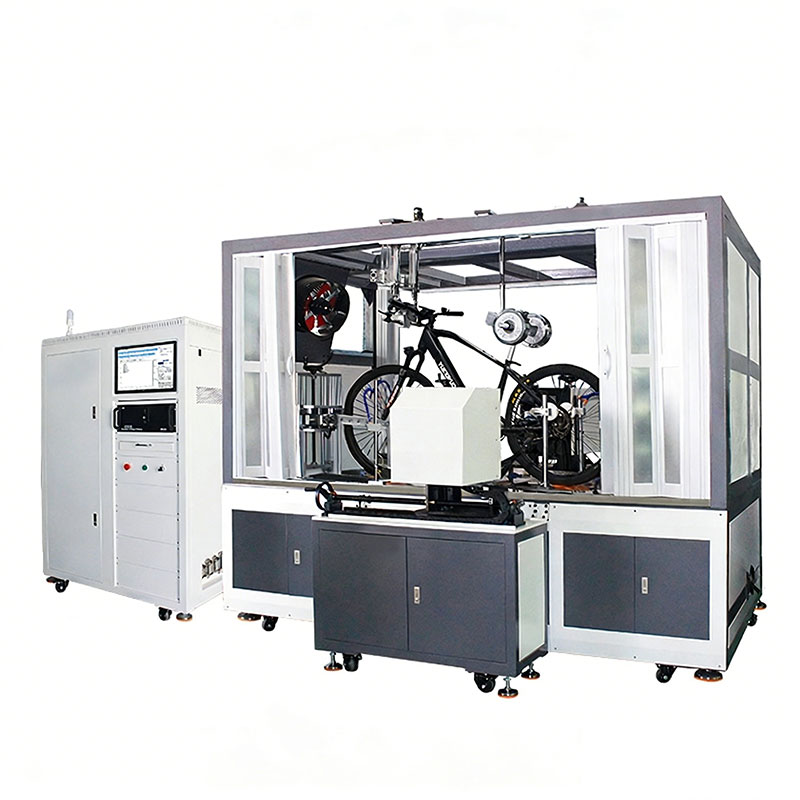

 Message
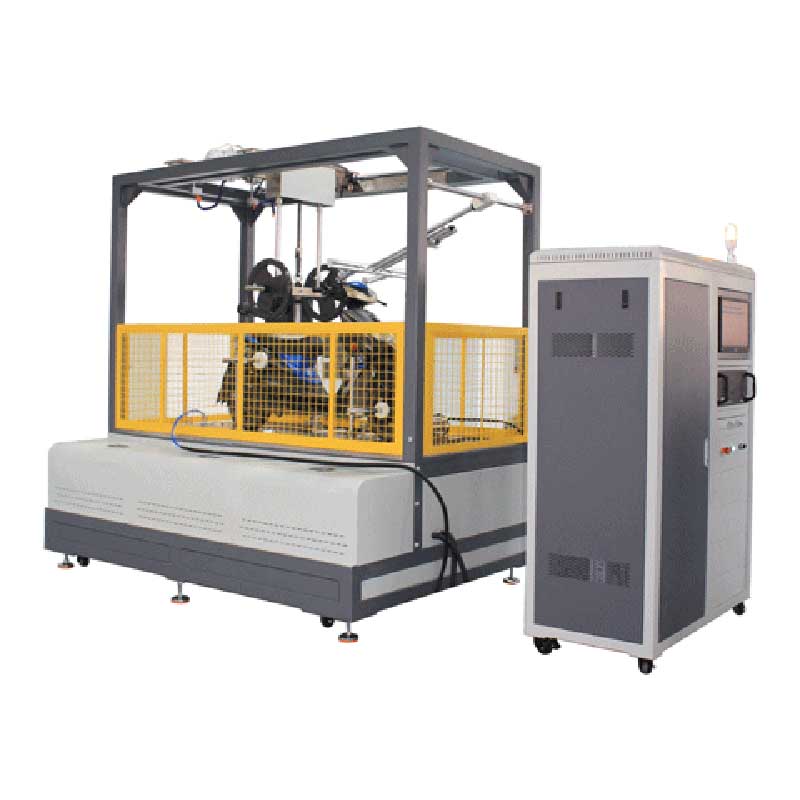
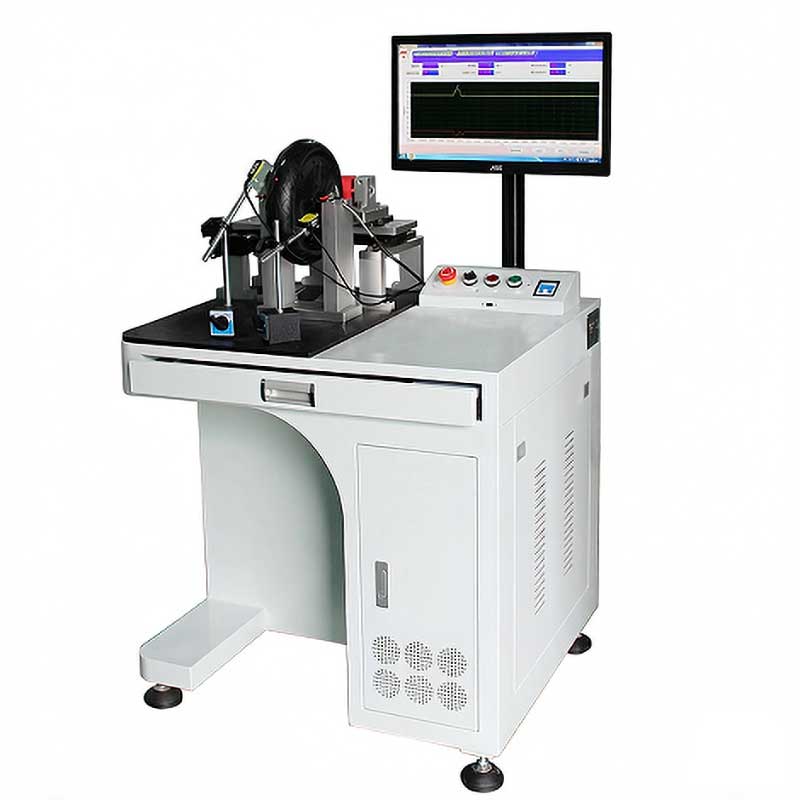
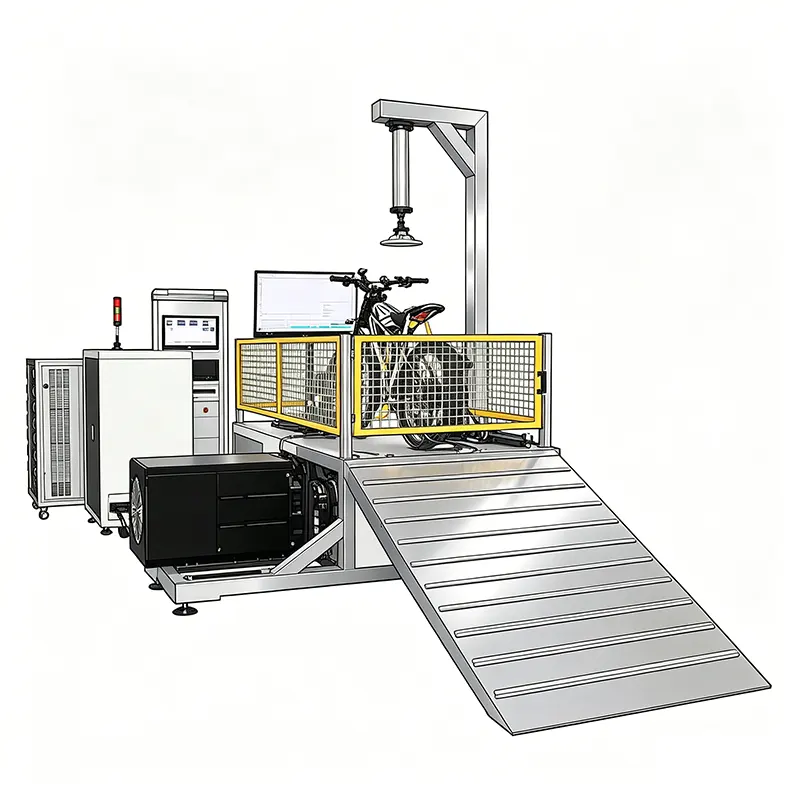
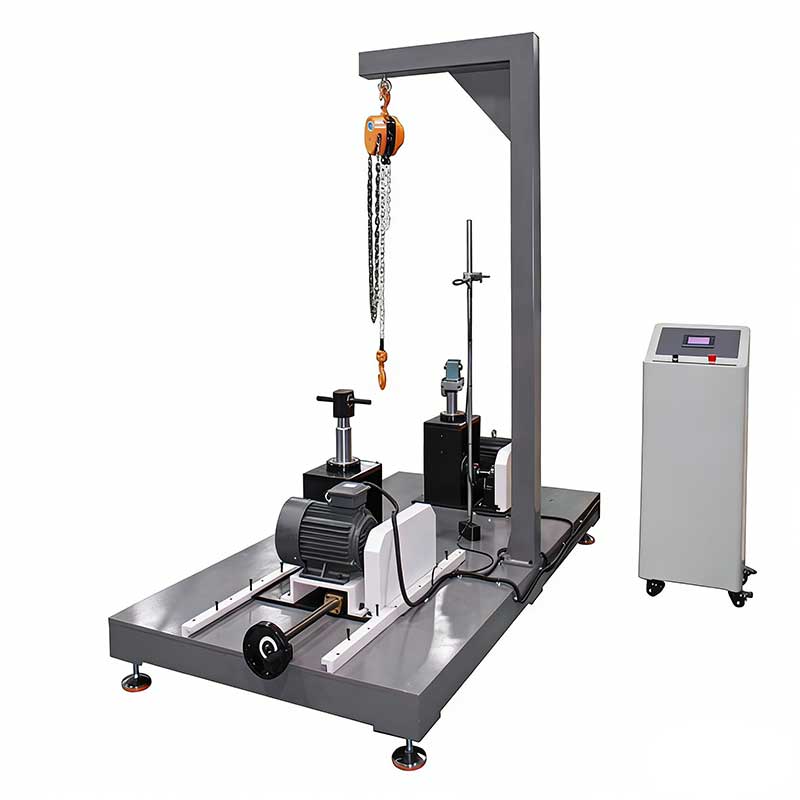
Electric Bicycle Comprehensive Test Machine for Performance and Safety Testing
This page provides a detailed overview of the Electric Bicycle Comprehensive for Performance and Safety Testing — including features, specifications, test standards, and applications.
⚡ Key Takeaway
This Electric Bicycle Comprehensive Test Machine for Performance and Safety Testing is designed for professional laboratory and production line testing. It ensures compliance with international standards and delivers reliable, repeatable test results for quality control and certification.
📋 Table of Contents
- Introduction to Electric Bicycle Testing Equipment
- Types of Electric Bicycle Test Machines
- Key Features of an Electric Bicycle Comprehensive Test Machine
- Technical Specifications to Consider for Electric Bicycle Comprehensive Test Machine
- How the Electric Bicycle Comprehensive Test Machine Works
- Core Testing Capabilities of the Electric Bicycle Comprehensive Test Machine
- Applications of E-Bike Test Machines
- Advantages of Using the Derui Electric Bicycle Comprehensive Test Machine
- Comparison with Other Testing Solutions: Why Derui Electric Bicycle Comprehensive Test Machine Stands Out
- FAQs on Electric Bicycle Comprehensive Test Machines
- Additional Related Testing Equipment for Electric Bicycles
- Getting Started with Derui Electric Bicycle Comprehensive Test Machine
- Introduction to Electric Bicycle Testing Equipment
- Types of Electric Bicycle Test Machines
- Key Features of an Electric Bicycle Comprehensive Test Machine
- How the Electric Bicycle Comprehensive Test Machine Works
Introduction to Electric Bicycle Testing Equipment
As the popularity of electric bicycles grows worldwide, ensuring their quality and safety is more important than ever. Electric bicycle testing equipment, particularly electric bicycle comprehensive test machines, play a vital role in this process. These advanced systems help manufacturers and testers verify that e-bikes meet strict safety, performance, and durability standards.
Understanding the need for comprehensive test machines is crucial. E-bikes are complex, combining electrical systems, mechanical components, and various terrains. To ensure they perform reliably and safely across these aspects, a thorough testing approach is necessary. The electric bike comprehensive inspection system provides a complete solution, simulating real-world riding conditions and analyzing every critical performance metric.
Investing in high-quality electric bicycle performance testers not only helps meet international standards like EN 15194 but also boosts consumer confidence. With a reliable finished vehicle testing machine, brands can detect flaws early, improve product quality, and stay competitive in a fast-evolving market.
In , electric bicycle testing equipment is essential for delivering dependable, safe, and high-performing e-bikes in today’s global market.
Types of Electric Bicycle Test Machines
When it comes to testing electric bicycles, choosing the right equipment makes all the difference. There are two main types: static and dynamic testing equipment.
Static Testing Equipment
Static test machines are used mainly for evaluating individual components or the finished e-bike in a stationary position. They help check things like electrical systems, braking performance, and material strength without moving the bike. These are ideal for quick quality control and detailed component analysis.
Dynamic Testing Equipment
Dynamic test machines, on the other hand, simulate real riding conditions. They allow us to measure how the electric bicycle performs under actual use, including acceleration, speed, and braking. This type is essential for comprehensive performance testing and road simulation.
Full-Vehicle Test Benches vs. Component Testers
Another key difference is between full-vehicle test benches and component testers:
- Full-vehicle test benches replicate real-world riding by testing the complete electric bike. These are perfect for final inspections, endurance tests, and performance validation.
- Component testers focus on parts like motors, batteries, or brakes individually. They help troubleshoot issues or optimize specific systems before full assembly.
Using the right mix of static and dynamic, full-vehicle and component testing equipment ensures we meet high safety and quality standards. It also helps us design better electric bicycles that perform well on the road and last longer.
Key Features of an Electric Bicycle Comprehensive Test Machine
A good Electric Bicycle Comprehensive Test Machine combines several essential features to ensure your e-bike passes quality checks and safety standards. Here’s what to look for:
Road Simulation Capabilities
- Mimics real riding conditions like hills, rough roads, and different terrains
- Tests e-bikes under various scenarios to simulate everyday use
- Helps catch issues related to durability and performance before market release
Data Logging and Analysis
- Records all test data automatically
- Tracks performance metrics like speed, power, and braking
- Provides clear reports to spot weaknesses or potential failures
- Ensures consistent quality control and helps optimize product design
Safety and Reliability Features
- Built-in safety measures such as emergency stop options
- Monitors electrical systems, brakes, and mechanical parts during tests
- Checks the thermal behavior of motors and batteries
- Guarantees your e-bike is safe for end users and complies with international standards
| Key Feature | Benefit |
|---|---|
| Road simulation | Real-world testing |
| Data logging & analysis | Accurate, easy-to-read results |
| Safety features | Protects tests and users |
In short, a comprehensive test machine with these features helps build reliable, safe, and high-quality electric bikes suitable for markets worldwide.
Technical Specifications to Consider for Electric Bicycle Comprehensive Test Machine
When choosing an electric bicycle comprehensive test machine, it’s important to check the key technical specs. These specs affect how well the tester fits your needs and ensures accurate, reliable results.
Speed and Power Range
- The test machine should support a wide speed range, from slow pedal assist levels up to high speeds.
- Power capacity must handle the bike’s motor output, usually from 250W to over 1500W for high-performance e-bikes.
- Ensures testing covers all models, from city e-bikes to mountain or cargo bikes.
Load Capacity and Wheel Adjustment
- Make sure the machine can handle the bike’s weight, including rider load and cargo.
- Adjustable wheel mounts should fit various wheel sizes (like 16″, 20″, 26″, 700C).
- Table: Typical Wheel Sizes Supported
| Wheel Size | Supported Bicycles |
|---|---|
| 16″ | Folding E-bikes, Mini bikes |
| 20″ | City E-bikes, Mountain bikes |
| 26″ | Mountain and trekking bikes |
| 700C | Road bikes, high-speed e-bikes |
Electrical System Compatibility & Sensors
- Compatibility with different electrical systems (24V, 36V, 48V, 72V).
- Integration of sensors for measuring torque, speed, voltage, and current.
- Accurate data collection for performance testing and diagnostics.
In short, selecting a test machine with the right speed, power, load capacity, and sensor compatibility makes testing faster, precise, and more reliable. This helps confirm your e-bikes meet quality standards and international safety specs, like EN 15194.
How the Electric Bicycle Comprehensive Test Machine Works
Testing an electric bicycle (E-bike) with a comprehensive test machine is straightforward but precise. Here’s a quick overview:
Setup and Securing the E-Bike
- Position the bike on the test rig or full-vehicle test bench.
- Use clamps and fixtures to keep it steady.
- Ensure wheels are aligned and securely fixed.
- Confirm that all electrical connections are right.
Configuring Test Parameters
- Set your test goals: speed, load, terrain.
- Adjust power limits and braking settings.
- Choose the type of test: static or dynamic.
Running Automated and Manual Tests
| Testing Mode | Description |
|---|---|
| Automated | Pre-set cycles run automatically—great for endurance or performance tests. |
| Manual | Operator controls each step—ideal for specific checks or troubleshooting. |
- For automated testing, set cycle durations and conditions.
- Manual testing allows real-time adjustments.
Monitoring and Data Collection
- The system tracks speed, power, torque, and temperature.
- Data logs are saved for review.
- You can watch tests live or review results after.
- Alerts notify if anything exceeds safety or quality thresholds.
Quick Checklist:
- Proper bike setup
- Correct test parameters
- Run the test cycle
- Review data for performance, safety, and reliability
This process helps ensure E-bikes meet high standards before they hit the market or get approved for use.
Core Testing Capabilities of the Electric Bicycle Comprehensive Test Machine
Our electric bicycle comprehensive test machine can evaluate a wide range of critical performance metrics. This ensures your e-bike meets quality standards and performs reliably in real-world conditions.
Key Performance Metrics
- Speed, Power, and AccelerationWe measure how fast the e-bike goes, the power output of the motor, and how quickly it accelerates. These factors are vital for rider safety and satisfaction.
- Braking Efficiency and Thermal BehaviorTesting the brakes ensures they function properly under different conditions. We also monitor heating levels to prevent overheating issues during prolonged use.
- Endurance and Long-Duration TestingWe simulate extended riding to see how the e-bike holds up over time. This includes checking battery life, motor durability, and mechanical wear.
- Electrical System PerformanceFrom battery performance to sensor accuracy, we verify all electrical components work as intended. This helps prevent malfunctions and guarantees safety.
- Mechanical Integrity AssessmentsOur testing checks the structural strength of parts like the frame, fork, and wheel components. This makes sure the e-bike can withstand daily use without failure.
Road Simulation for Various Terrains
We utilize advanced road simulation capabilities to mimic different terrains, such as rough roads, slopes, or urban streets. This helps assess how the e-bike performs in real-life riding conditions, ensuring it is reliable and safe no matter where you ride.
By covering these core testing capabilities, the electric bicycle comprehensive test machine offers a thorough check-up of an e-bike’s performance, safety, and durability. It’s a must-have for manufacturers, quality control labs, and R&D teams aiming to deliver top-quality electric bikes for the global market.
Applications of E-Bike Test Machines
Electric bicycle comprehensive test machines are essential tools in many areas of e-bike production and development. They help ensure each bike meets quality, safety, and performance standards.
Manufacturing Final Inspection
After assembly, our electric bicycle comprehensive test machine performs final checks to catch any defects or issues. This ensures only fully functional, reliable e-bikes go to market. It tests key features like brakes, acceleration, and electrical systems, giving manufacturers peace of mind.
Quality Control and Batch Testing
For batch production, consistent quality is a top priority. Our e-bike quality control testing equipment quickly screens large volumes of finished bikes. It helps identify any variations or problems early, reducing recalls and customer complaints.
Research and Development
In R&D, a versatile electric bike road simulation test equipment allows engineers to test new designs under real-world conditions. This makes it easier to improve performance, extend battery life, and optimize safety features before final production.
Certification and Standards Compliance
To meet international standards like EN 15194, e-bike manufacturers need reliable testing equipment. Our electric bicycle safety compliance tester ensures every bike passes required regulations. This makes certification smoother and helps brands expand into global markets.
Using an e-bike comprehensive test machine across these applications boosts product quality, accelerates testing cycles, and supports compliance—all crucial for staying competitive in the fast-growing global e-bike market.
Advantages of Using the Derui Electric Bicycle Comprehensive Test Machine
Choosing a Derui electric bicycle comprehensive test machine offers several clear benefits. Here’s what sets it apart:
| Feature | Benefit |
|---|---|
| Reliable Performance | Consistent and accurate test results every time, ensuring product quality. |
| Customization Options | You can tailor the testing setup to fit your specific e-bike models and testing needs. |
| Easy Integration into Production Lines | Seamlessly fits into your manufacturing process, saving time and reducing setup hassle. |
| Excellent Support and Services | Dedicated technical support and training to keep your testing smooth. |
| Compliance with International Standards (e.g., EN 15194) | Meets global testing requirements, helping your e-bikes get certifications faster. |
Why choose Derui?
Because it combines proven reliability, flexibility, and compliance—all in one tested solution. Whether you need to run endurance, road simulation, or safety tests, Derui’s e-bike test machines are built to deliver. This means better quality control, easier certification, and less hassle for you.
Comparison with Other Testing Solutions: Why Derui Electric Bicycle Comprehensive Test Machine Stands Out
When comparing testing solutions for electric bicycles, Derui’s electric bicycle comprehensive test machine offers clear advantages over other options.
Performance:
- Our test bench provides highly accurate road simulation and performance testing capabilities, including speed, brake efficiency, and endurance tests.
- Unlike some standard testers, Derui combines both static and dynamic testing into one solution, saving time and increasing reliability.
Value:
- Cost-effective: You get a full-featured, versatile testing system at a competitive price.
- Easy to upgrade and customize for different models and testing needs.
Key Differentiators:
| Feature | Derui Test Machine | Others |
|—————————–|——————————————–|——————————————–|
| Road simulation accuracy | High fidelity, real-terrain simulation | Basic or limited terrain options |
| Data logging & analysis | Fast, detailed reports | Often manual, slower reports |
| Compatibility & sensors | Supports multiple standards, sensors | Limited standards, fewer sensor options |
| Customization options | Fully customizable setups | Fixed configurations, less flexible |
| Support & service | Dedicated local and global support | Variable or limited support |
In , Derui offers a reliable, flexible, and precise testing solution that’s tailored to meet international standards like EN 15194. It’s a smart choice for manufacturers and R&D teams looking for performance and value.
FAQs on Electric Bicycle Comprehensive Test Machines
Here are some common questions about electric bicycle comprehensive test machines, especially the ones used for quality control and performance checks.
What standards do these test machines support?
Most electric bicycle test systems, like the Derui e-bike comprehensive test bench, support international standards such as EN 15194 and other regional regulations. This ensures your bikes meet safety, performance, and reliability requirements across different markets.
How long do tests take, and how many bikes can I test?
Test duration varies based on what you’re checking. Shorter tests for quick quality checks may take just a few minutes, while full endurance or performance testing can take hours. Throughput depends on the machine’s automation and capacity:
| Test Type | Duration | Number of Bikes per Day |
|---|---|---|
| Performance Testing | 10-30 minutes | 20-50 bikes |
| Endurance Testing | 2-8 hours | 10-20 bikes |
| Full Vehicle Inspection | 30-60 minutes | 15-30 bikes |
How often should I do maintenance and calibration?
Regular maintenance ensures accurate results.
- Calibration: Recommended every 3-6 months
- Routine checks: Before and after major production runs
- Basic maintenance: Weekly to keep sensors, rollers, and electrical parts in top shape
Can I customize the test machine for specific needs?
Yes. Many systems, including those from Derui, can be customized for different bike types, sizes, and testing requirements, whether for:
- Rapid batch testing
- Custom performance checks
- Specific terrain simulation
This makes sure your test equipment fully fits your production line or R&D needs.
Key Takeaway:
Choosing a comprehensive electric bicycle test machine that supports your industry’s standards, offers flexible testing, and is easy to maintain will help you deliver top-quality e-bikes.
Additional Related Testing Equipment for Electric Bicycles
When working with electric bicycles, testing is more than just checking the bike itself — it’s about ensuring all components work perfectly together. Besides the electric bicycle comprehensive test machine, you might need additional testing tools to cover specific parts and ensure quality.
Battery and Motor Testers
- Battery testers evaluate the capacity, efficiency, and safety of the e-bike’s power source.
- Motor testers check performance metrics like torque, speed, and thermal behavior.
- These tools help prevent failures and improve overall reliability, especially important for safety and long-term use.
Brake and Vibration Test Benches
- Brake testers measure braking efficiency, stopping distance, and control under different conditions.
- Vibration test benches simulate road vibrations and shocks, assessing the durability of the bike and its components.
- These tests are critical to ensure safety, especially for various terrains and long-distance riding.
Complete E-Bike Testing Solutions
- For a thorough quality check, it’s common to combine these equipment with the electric bicycle performance tester and road simulation test equipment.
- Using a full suite of testing tools guarantees that the e-bike meets international standards, such as EN 15194, and passes all safety and performance requirements before reaching customers.
In short, investing in these additional testing devices helps manufacturers catch issues early, improve product quality, and deliver reliable e-bikes that meet global expectations.
Getting Started with Derui Electric Bicycle Comprehensive Test Machine
Ready to see how our electric bicycle comprehensive test machine can help your business? Contact us for a quick quote and demo. We offer personalized support to answer your questions and guide you through the process.
| Step | Action | Details |
|---|---|---|
| 1 | Request a Quote | Fill out our simple form or call us. We’ll give you a price based on your needs. |
| 2 | Book a Demo | See the test machine in action. We can arrange a live demo or a virtual tour. |
| 3 | Technical Support | Our team is here to help set up, install, and troubleshoot. We provide ongoing support. |
Why choose Derui?
- We customize solutions for all EV markets
- Our E-bike quality control testing equipment is reliable and easy to use
- Support is available at every step, from installation to maintenance
Get started today and make sure your electric bikes meet the highest standards. Contact us now!
Need This Equipment?
Derui Tester manufactures this equipment with full compliance to international standards. Contact us for a quote or technical consultation.