Derui chamber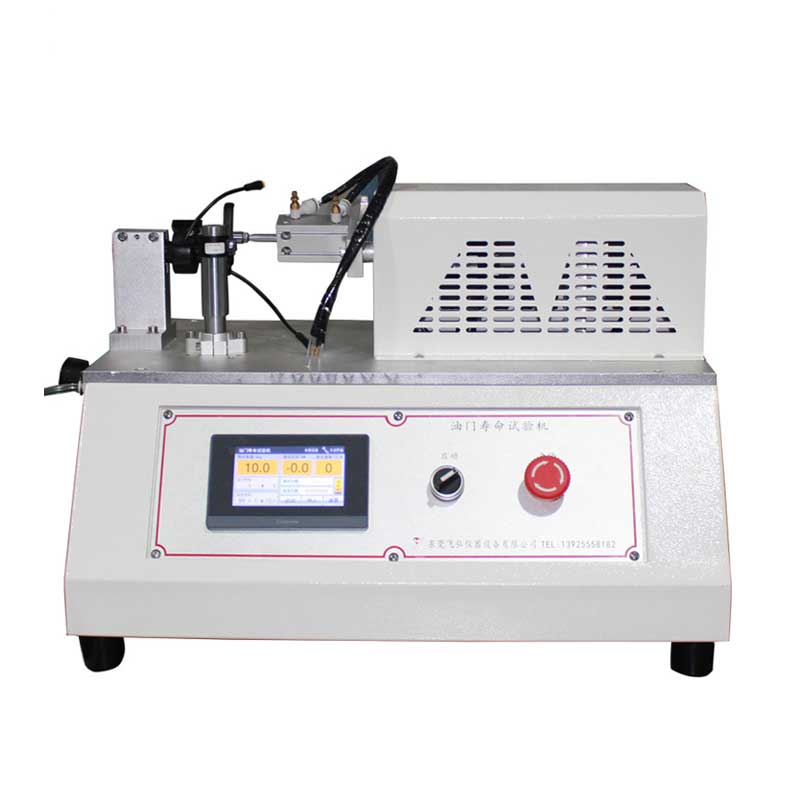

 Message
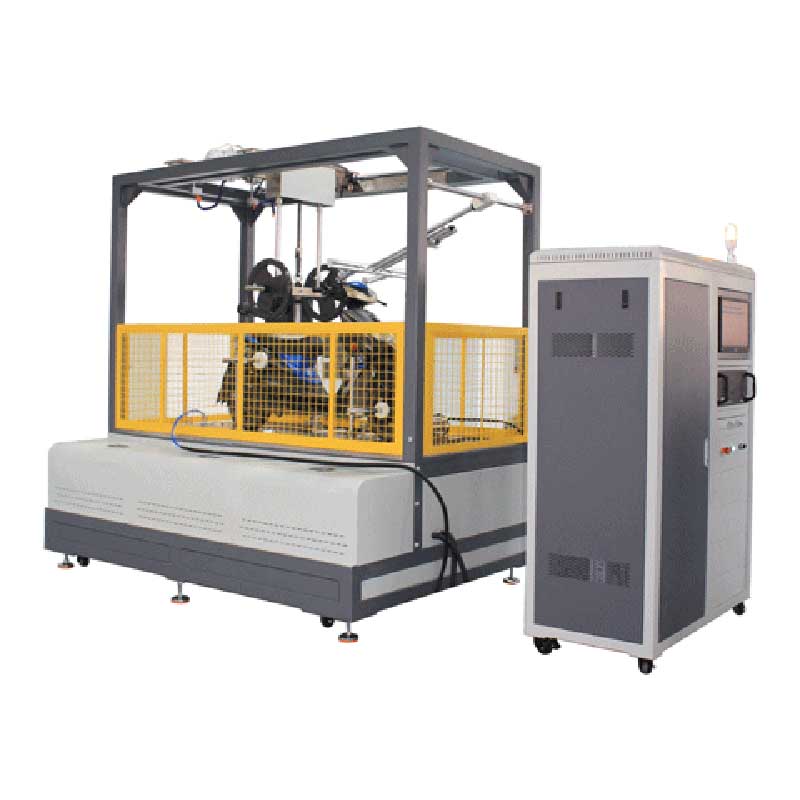
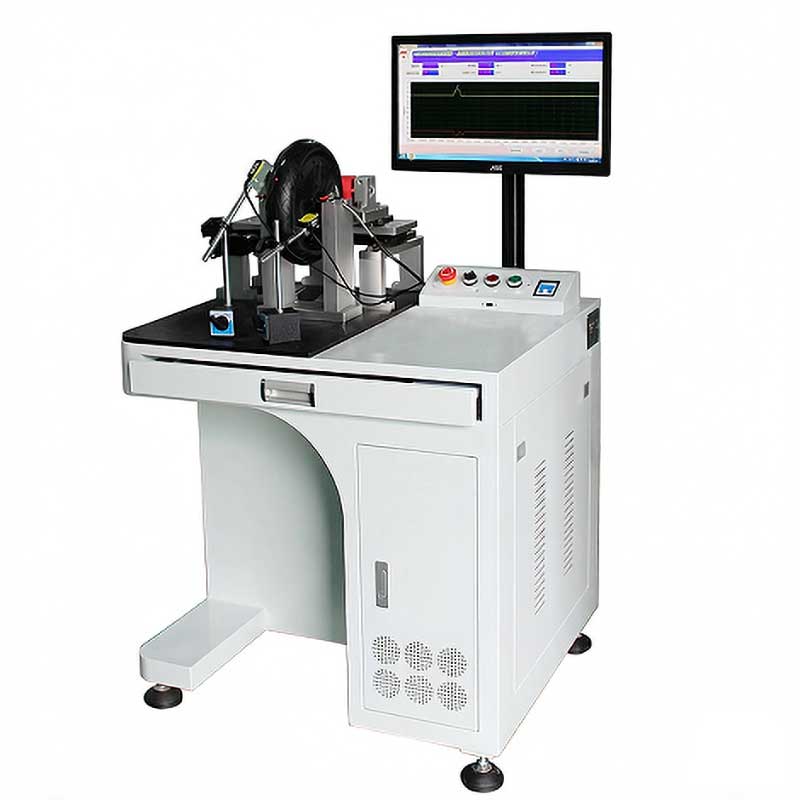
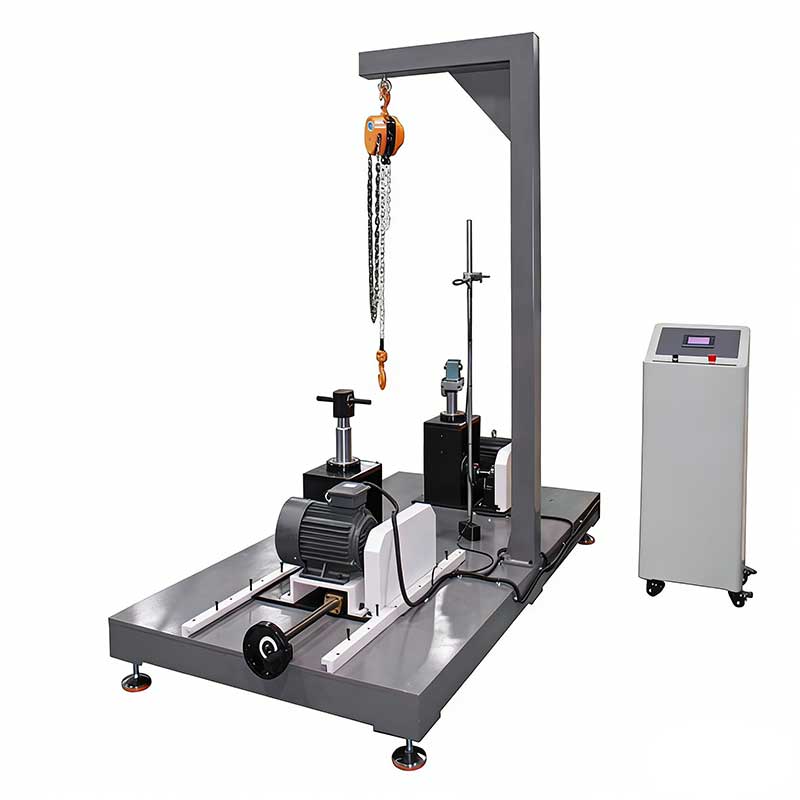
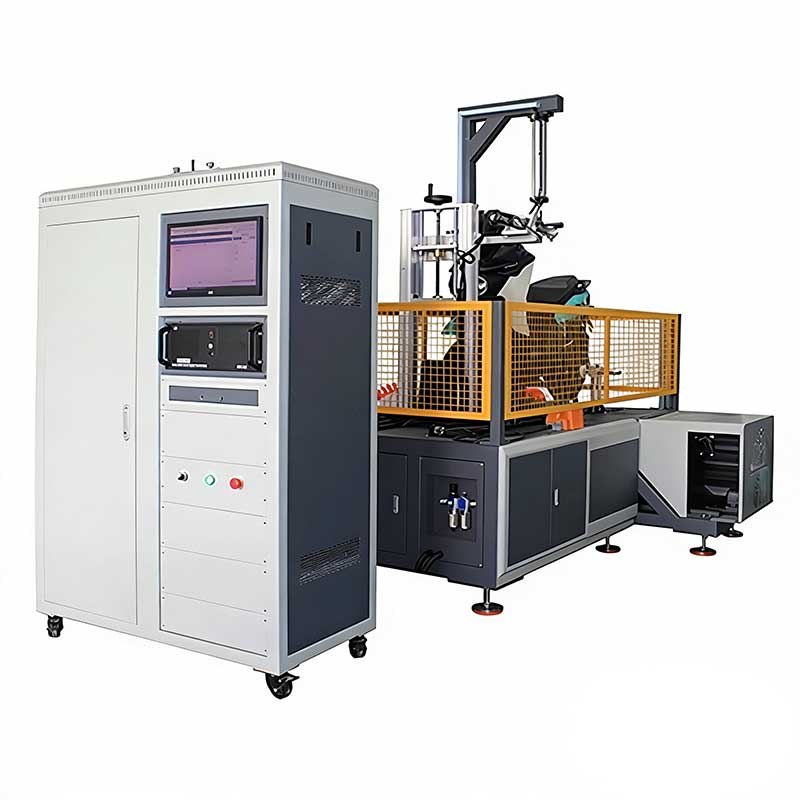
Scooter Throttle Life Test Machine for Durability and Reliability Testing
This page provides a detailed overview of the Scooter Throttle Life for Durability and Reliability Testing — including features, specifications, test standards, and applications.
⚡ Key Takeaway
This Scooter Throttle Life Test Machine for Durability and Reliability Testing is designed for professional laboratory and production line testing. It ensures compliance with international standards and delivers reliable, repeatable test results for quality control and certification.
📋 Table of Contents
- Introduction to Scooter Throttle Life Test Machines
- Understanding the Functionality of a Scooter Throttle Life Test Machine
- Key Technical Features and Specifications of Scooter Throttle Life Test Machines
- Testing Process and Methods for Scooter Throttle Life Test Machines
- Applications and Industry Use Cases
- Benefits of Using a Scooter Throttle Life Test Machine
- Standards and Compliance for Scooter Throttle Life Test Machines
- Why Choose Our Scooter Throttle Life Test Machine
- Optional Accessories and Upgrades for Scooter Throttle Life Test Machines
- FAQs and Common Concerns
- Contact and Next Steps
- Introduction to Scooter Throttle Life Test Machines
- Understanding the Functionality of a Scooter Throttle Life Test Machine
- Testing Process and Methods for Scooter Throttle Life Test Machines
- Applications and Industry Use Cases
Introduction to Scooter Throttle Life Test Machines
What is a scooter throttle life test machine?
A scooter throttle life test machine, also known as a scooter handlebar throttle endurance machine or throttle wear simulation machine, is specialized equipment used to assess the durability and reliability of scooter throttles. It replicates the repetitive actuation of the throttle—whether twist, thumb, or lever styles—to evaluate how well the component withstands long-term use. By continuously cycling the throttle, this testing rig identifies potential failures before products reach consumers.
Why durability testing is crucial for scooter components
Durability testing is essential to ensure safety and reliability in the rapidly growing EV and micromobility industry. Throttle components—such as hall sensors, electrical contacts, and mechanical parts—must endure frequent use under various conditions. Failing throttles can cause safety hazards, increase warranty costs, and damage brand reputation. Using a throttle life cycle testing equipment helps manufacturers detect wear and failure modes early, ensuring high-quality, long-lasting products.
Overview of testing equipment in the EV and micromobility industry
In the electric scooter and lightweight motorcycle market, durability testing equipment plays a vital role in quality control, research and development, and certification processes. Throttle fatigue testers and handlebar torque life testing machines are standard tools to verify component endurance. These machines simulate real-world riding conditions, providing reliable data to optimize product design and meet industry standards such as ISO and EN. With advanced features like automated cycle counting and sensor integration, manufacturers can ensure their products are safe, durable, and compliant.
Understanding the Functionality of a Scooter Throttle Life Test Machine
To get reliable results, a scooter throttle life test machine needs to simulate how the throttle performs in real life. It basically replicates the way riders twist or press the throttle, so we can see how long it can last under normal use or tough conditions.
How Does it Simulate Real-World Throttle Actuation?
The machine mimics the act of twisting or pressing the throttle just like a rider would. It causes the throttle to move repeatedly with varying speeds and forces, similar to real riding. This helps us understand how the handlebar throttle wears over time, which is critical for ensuring safety and durability.
Components Involved
- Fixture: Holds the throttle in place securely during testing.
- Sensors: Monitor things like torque, angle, and electrical signals.
- Control System: Manages the test, adjusts parameters, and collects data.
Types of Throttle Testing: Fatigue, Endurance, and Cycle Life Tests
- Fatigue Testing: Checks how the throttle handles repeated stress until it fails.
- Endurance Testing: Runs the throttle continuously over a long period to verify durability.
- Cycle Life Testing: Measures how many times the throttle can be actuated before it shows wear or failure.
Using a scooter throttle life test machine, manufacturers can identify potential weak spots early and improve product quality. It covers all parts involved, from twist throttles to thumb or lever types, making sure every component withstands real-world use.
Key Technical Features and Specifications of Scooter Throttle Life Test Machines
When choosing a scooter throttle life test machine, it’s important to consider its key features and specs. Here’s what you need to look for:
| Feature | Details |
|---|---|
| Cycle Count & Test Duration | Capable of testing up to millions of cycles with flexible timers to simulate real-world use efficiently. |
| Compatible Throttles | Supports various throttle types—twist, thumb, lever, and more—making it easy to test different scooter models. |
| Torque & Angle Control | Adjustable torque settings, tilt angles, and test speeds, giving you control over different riding conditions. |
| Sensor Integration | Built-in sensors monitor wear, electrical stability, and failure modes—keeping tests thorough and reliable. |
| Control & Data Logging | Features a PLC system, HMI touchscreen, and data logging tools for easy operation and detailed report generation. |
Main Points:
- The machine is designed for long-term durability testing of scooter throttle components, including handlebar throttle durability.
- It supports testing different throttle styles—twist, thumb, and lever—to match real scooter parts.
- You can customize test speed, angle, and torque to replicate real riding conditions.
- Sensor integration helps detect wear and electrical issues early.
- Easy-to-use control panels and automatic data collection make testing simple and efficient.
This setup helps ensure your scooter throttles are reliable, safe, and ready for global markets.
Testing Process and Methods for Scooter Throttle Life Test Machines
Using a scooter throttle life test machine involves a clear, step-by-step process to ensure accurate and reliable results. Here’s how we typically do it:
Setup and Configuration
- Install the throttle fixture: Attach the handlebar or twist throttle securely on the machine.
- Select the testing parameters: Decide how many cycles or how long the test will run based on the product requirements.
- Adjust the test settings: Set the torque, actuation speed, and angle to match real riding conditions.
Data Collection and Analysis
- Once the test begins, sensors monitor various elements like electrical signals, mechanical wear, and performance stability.
- The system automatically logs data for later review, helping us identify issues early.
Calibration and Validation
- Regular calibration ensures the tester’s accuracy, especially for torque control and sensor readings.
- We verify the machine’s performance with standard reference components before each test batch.
Simulating Real Riding Conditions
- Tests mimic actual throttle actuation, including varied angles, actuation patterns, and force loads.
- This helps us understand how the scooter handlebar throttle endures over time and under different conditions.
Detecting Failure Modes
- The testing process is designed to spot common failure points like mechanical wear, electrical drift, and signal degradation.
- When a failure occurs, the system flags it, allowing us to investigate whether it’s a material issue or a design flaw.
This thorough process makes sure our scooter throttle durability test machine delivers consistent, trustworthy data to improve product quality and safety.
Applications and Industry Use Cases
Our scooter throttle life test machine is widely used in different parts of the EV and micromobility industry. It helps test the durability of throttles on electric scooters, e-bikes, and lightweight motorcycles. By simulating real-world actuation, it ensures that these components can stand up to daily use.
In addition, the testing equipment plays a key role in quality control during production. Manufacturers use it to verify that throttle components meet strict industry standards before they go to market. It’s also crucial in R&D for designing more durable throttles, and in supplier certification to confirm parts are reliable.
After products hit the market, these machines are used for post-market failure analysis. If issues arise, the data from the throttle life cycle testing equipment can identify failure modes early. This helps companies improve their product development process, develop better throttles, and reduce warranty costs.
Overall, whether in manufacturing, testing, or product improvement, our throttle testing rig supports the entire lifecycle of EV throttle components, making sure they perform consistently and safely in the real world.
Benefits of Using a Scooter Throttle Life Test Machine
Using a scooter throttle life test machine offers clear advantages for manufacturers and testers alike. Here’s why it matters:
| Benefit | Description |
|---|---|
| Long-term reliability and safety | By simulating real-world riding conditions, the machine helps find potential issues early. This ensures the throttle will last long and keep users safe. |
| Lower warranty costs | Catching problems during testing reduces the chance of field failures, saving money spent on repairs and warranty claims. |
| Faster product development | Quick and accurate testing speeds up the design process, helping bring new throttles to market faster. |
| Standards compliance | The test machine helps meet industry standards like ISO and EN, making your products certified and trusted worldwide. |
Why it’s a smart investment
- It improves product quality before hitting the market.
- It minimizes costs caused by early failures.
- It speeds up R&D and time-to-market.
- It ensures your throttle components are durable and compliant.
Using this equipment means more reliable, safer, and cost-effective electric scooters and micromobility devices. It’s an investment in quality and peace of mind.
Standards and Compliance for Scooter Throttle Life Test Machines
When it comes to testing scooters, especially the handlebar throttle, following industry standards is essential. These standards are designed to ensure that the components can withstand real-world use and meet safety requirements.
Industry Standard Protocols for Handlebar Component Durability
The most recognized protocols include ISO, EN, and other regional standards that specify how consistent and reliable throttle durability testing should be. Using a scooter throttle life cycle testing equipment that complies with these standards helps manufacturers confirm their products meet global safety and quality benchmarks. Whether you’re testing twist throttles or thumb levers, these standards provide the framework for accurate and comparable results.
Calibration and Testing Validation Processes
To ensure the results are trustworthy, calibration of the throttle wear simulation machine is vital. This involves adjusting the system to known standards and verifying that measurements—like torque, cycle count, and wear signals—are accurate. Regular validation checks help confirm that the testing equipment functions correctly over time, supporting consistent quality control.
Generating Compliant Test Reports for Certification
Once testing is complete, it’s crucial to produce detailed, compliant reports. These documents show that your products meet industry standards and are reliable for market approval. Certification bodies often require these reports to validate product safety and durability, especially if you’re exporting to regions with strict regulation like Europe or North America.
Using certified throttle life cycle testing equipment ensures your testing process aligns with global requirements, giving your products confidence in the market.
Why Choose Our Scooter Throttle Life Test Machine
Our throttle life cycle testing equipment is built tough for the real world. Whether you’re testing electric scooter throttles, e-bike handles, or lightweight motorcycle controls, our machines handle it all. Here’s why we’re the best choice:
| Feature | Benefit |
|---|---|
| Industrial-grade build | Lasts in busy production lines and lab testing environments. |
| Custom options | Adaptable to different throttle types—twist, thumb, lever—and specific test routines. |
| Precise data tools | Easily collect and analyze test results—wear, electrical stability, failures—fast. |
| Trusted by experts | Backed by Derui’s proven tech support and years of experience in throttle durability testing. |
Choosing our testing equipment means reliable, accurate results that help improve product quality, reduce failures, and speed up development. It’s designed for global markets, meeting industry standards like ISO and EN, ensuring your throttles are safe and durable worldwide.
Optional Accessories and Upgrades for Scooter Throttle Life Test Machines
To get the most out of your scooter throttle durability testing, you can choose from a range of optional accessories and upgrades. These help customize your testing setup to match different throttle styles and improve overall data quality.
Interchangeable Fixtures for Different Throttle Styles
- Swap out fixtures easily to test twist, thumb, or lever throttles
- Supports various handlebar handlebar designs for more versatile testing
- Saves time and reduces the need for multiple machines
Advanced Data Analysis and Reporting Software
- Collect detailed test data automatically
- Generate easy-to-understand reports for quality control or R&D
- Helps spot subtle wear or failures early, improving product reliability
Sensor Packages for Detailed Failure Mode Analysis
- Incorporate specialized sensors for electrical and mechanical insights
- Detect wear on sensors, electrical drift, or signal degradation
- Get a clear picture of how throttles fail over long-term use
Integration with Environmental Chambers
- Test throttles under temperature and humidity extremes
- Simulate real-world riding conditions more accurately
- Ensure that your throttle design works reliably in all environments
These accessories specifically enhance the capabilities of your scooter throttle life test machine, making testing more comprehensive, flexible, and useful for the global market. They are designed to support industry standards and help you develop safer, more durable products that meet customer and regulatory expectations.
FAQs and Common Concerns
How many cycles can a scooter throttle life test machine perform?
It depends on the specific model and testing parameters. Most standard throttle durability testers can handle hundreds of thousands of cycles, simulating years of real-world use. For high-volume production or R&D, machines are rated for cycles ranging from 500,000 to over a million.
What’s the setup and calibration time?
Getting the testing machine up and running usually takes a few hours. Calibration ensures accuracy, and this process typically takes 30 minutes to an hour, depending on the complexity and the throttle type you’re testing. Regular calibration maintains test reliability.
How often does maintenance need to be done?
Routine maintenance is key for reliable operation. Usually, checks on mechanical parts, sensors, and control systems are recommended every 3 to 6 months. Proper upkeep helps prevent unexpected downtime and keeps testing consistent.
What are the lead times for customization and integration?
Customizing a scooter handlebar throttle endurance machine or other test rigs can take anywhere from a few weeks to a couple of months. Lead times depend on the complexity of your needs, such as special fixtures or software upgrades, but we aim to deliver quickly.
What about warranty and after-sales support?
Our testing equipment comes with a standard warranty covering parts and technical support. Plus, we offer ongoing after-sales support — including training, upgrades, and troubleshooting — to keep your testing running smoothly over the long term.
If you have more questions, just ask. We’re here to help you get the most out of your throttle life cycle testing equipment.
Contact and Next Steps
Ready to see how our scooter throttle life test machines can improve your product testing? Whether you’re interested in a quote or a demo, we’re here to help.
- Request a quote or demo: Just reach out with your needs, and we’ll provide a tailored quote. Seeing the scooter throttle durability test machine in action can help you understand how it can fit your quality control or R&D process.
- Schedule a virtual consultation or onsite visit: Want to see the equipment firsthand? We offer live demos, virtual tours, or onsite visits to show you how the throttle life cycle testing equipment works and fits into your workflow.
- Additional resources: Need more info? We have brochures, videos, and case studies covering everything from machine specs to real-world applications. These resources help you make an informed decision.
Contact us today to discuss your specific needs. Our team can guide you through the process and ensure you get the right throttle durability testing equipment to keep your products top quality.
Need This Equipment?
Derui Tester manufactures this equipment with full compliance to international standards. Contact us for a quote or technical consultation.