Derui chamber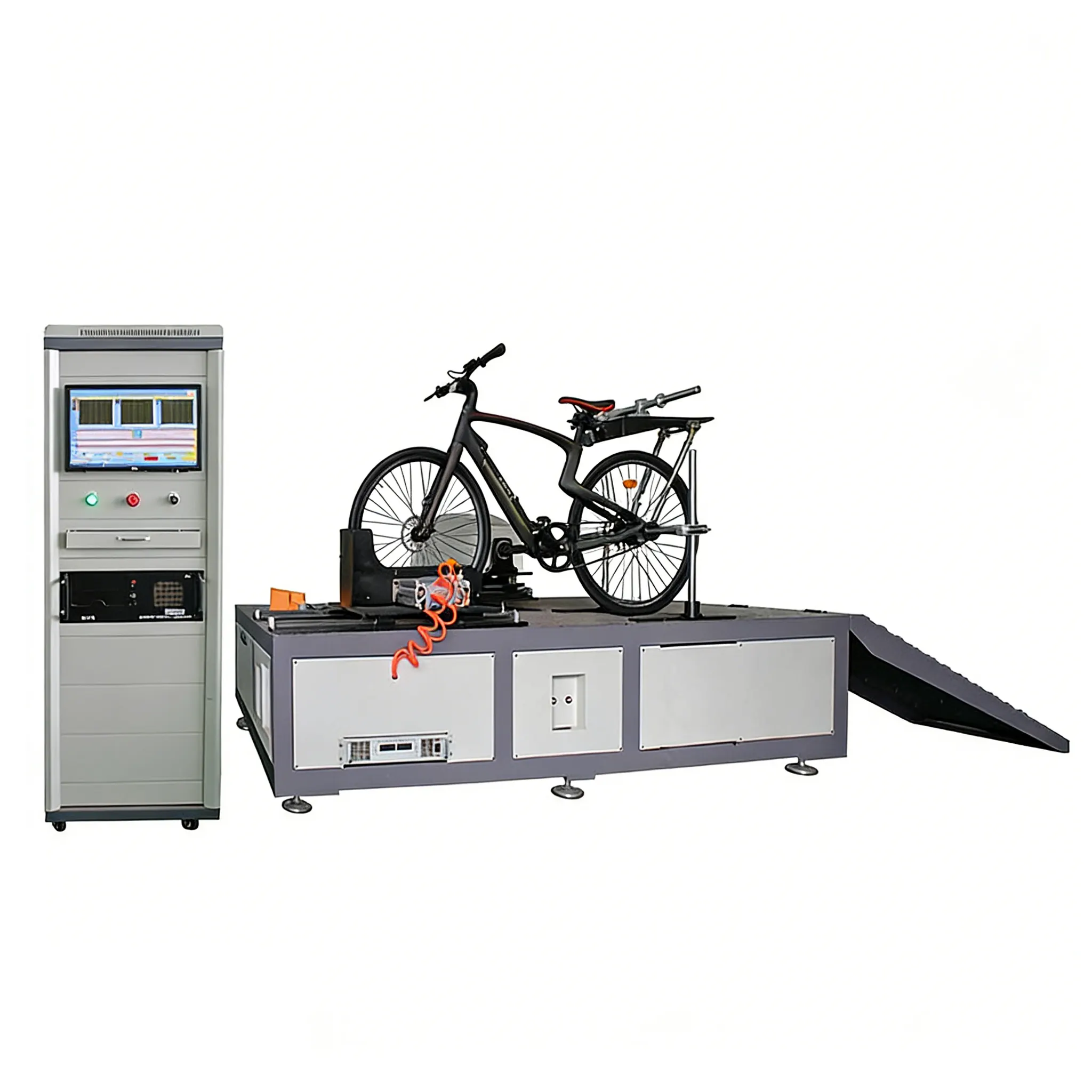

 Message
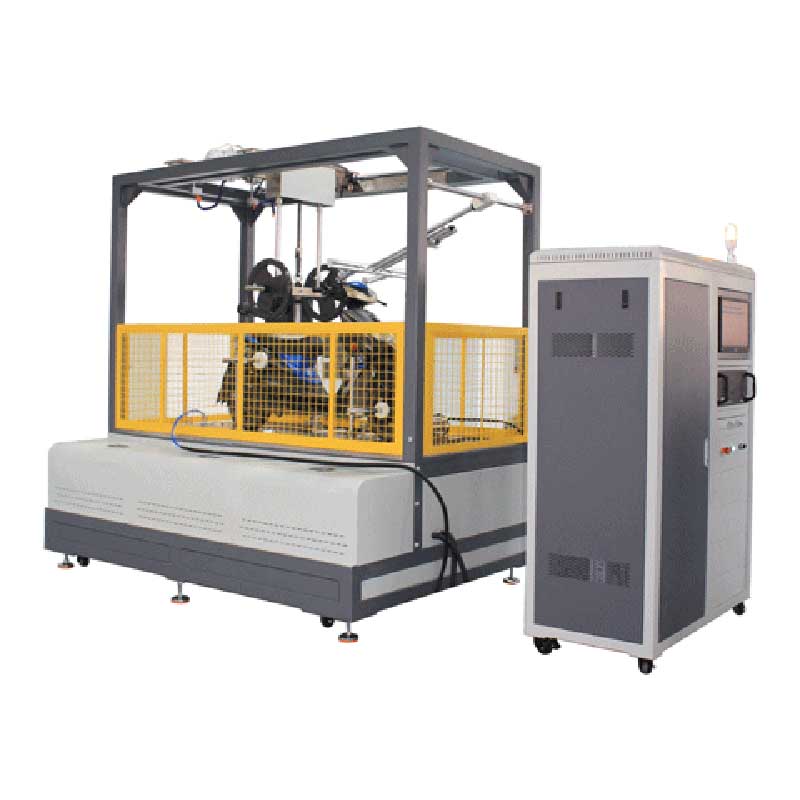
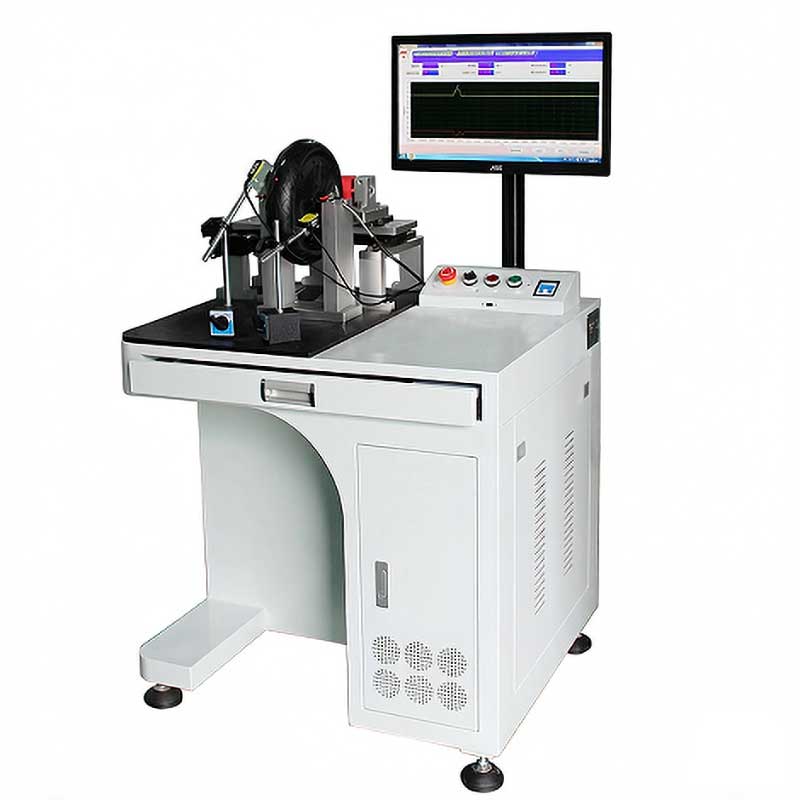
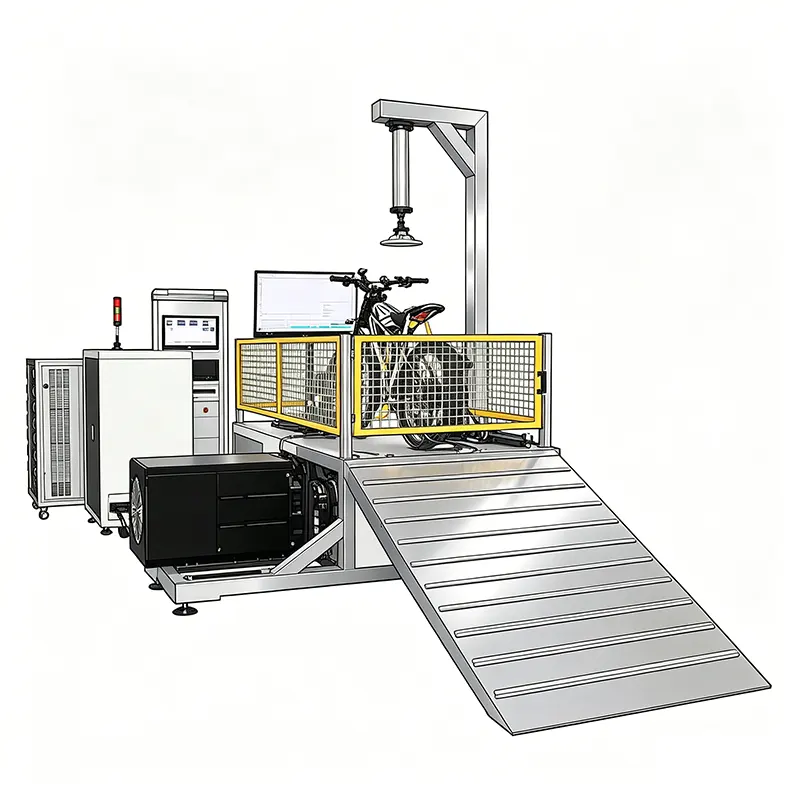
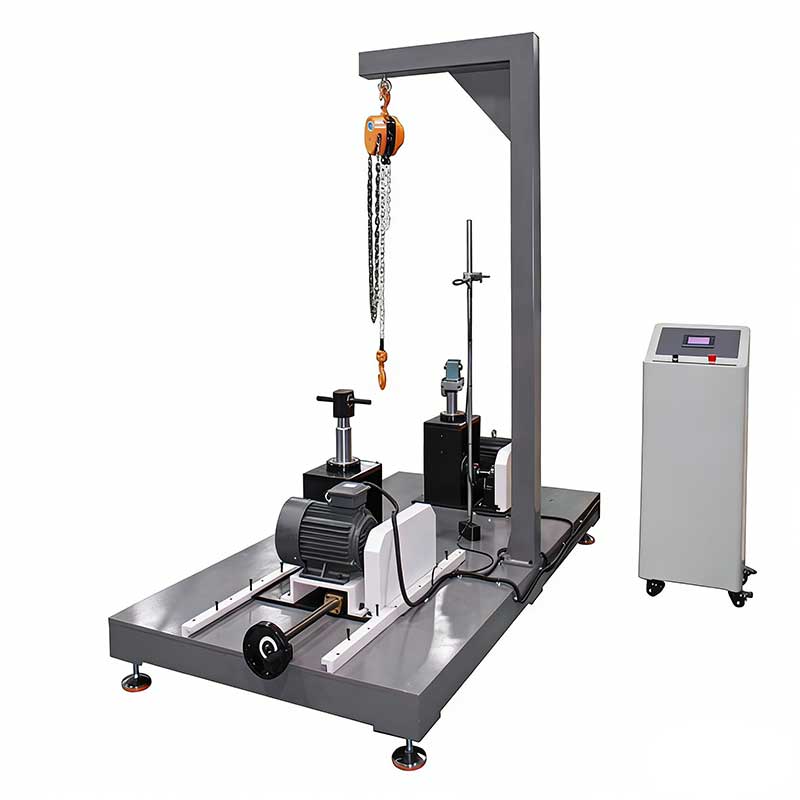
Simulated Cycling Test Bench for Durability Testing
This page provides a detailed overview of the Simulated Cycling Test Bench for Durability Testing — including features, specifications, test standards, and applications.
⚡ Key Takeaway
This Simulated Cycling Test Bench for Durability Testing is designed for professional laboratory and production line testing. It ensures compliance with international standards and delivers reliable, repeatable test results for quality control and certification.
📋 Table of Contents
- Why We Rely on a Simulated Cycling Test Bench
- Meeting ISO 4210 Standards with Our Simulated Cycling Test Bench
- E-bike Testing on a Simulated Cycling Test Bench
- Analyzing fatigue resistance in critical components
Why We Rely on a Simulated Cycling Test Bench
In a competitive global market, the Simulated Cycling Test Bench is our foundational tool for ensuring every frame and component meets peak performance standards. By moving beyond traditional outdoor trials, we provide a stable, repeatable environment that delivers high-fidelity data without the unpredictability of manual road testing.
Accelerating R&D Cycles with Precision
We use the bicycle fatigue testing machine to compress months of field usage into days of continuous lab operation. This precision allows us to:
- Identify structural integrity validation gaps early in the design phase.
- Iterate on new materials and geometries with dynamic load simulation.
- Minimize time-to-market by automating repetitive stress cycles.
Replicating Harsh Road Conditions in a Controlled Lab
Our R&D lab equipment mimics everything from cobblestone vibrations to extreme mountain descents. By utilizing a high-performance Bicycle riding simulation test bench, we achieve:
- Environmental Consistency: Eliminating weather variables to ensure scientific repeatability.
- Extreme Stressors: Applying vertical and lateral forces that would be dangerous or impossible for a human test rider to sustain.
- Real-time Monitoring: Capturing data points at the exact moment of component failure to refine engineering tolerances.
Reducing the Risk of Expensive Product Recalls
Safety is non-negotiable. By conducting rigorous frame stress analysis before mass production, we protect both the manufacturer’s reputation and the end-user’s safety.
- Proactive Failure Detection: Spotting micro-cracks and material fatigue before they become catastrophic breaks.
- Compliance Assurance: Ensuring every unit is built to exceed international safety benchmarks.
- Cost Management: Delivering a reliable product that survives real-world abuse, which drastically lowers long-term warranty claims and logistics costs.
Meeting ISO 4210 Standards with Our Simulated Cycling Test Bench
To compete in the global market, meeting safety benchmarks isn’t just a legal requirement—it’s a mark of quality. We use our simulated cycling test bench to guarantee ISO 4210 compliance, ensuring every bike we test is ready for international export. By replicating the physical stresses of the road, we provide the data needed for complete structural integrity validation.
Precision Testing for Every Category
Different riding styles demand different safety tolerances. Our test rigs are programmed with specific load profiles to match the unique stresses of various bike types:
- City & Trekking Bikes: Focus on long-term vibration resistance and durability under daily commuting loads.
- Mountain Bikes (MTB): Subjected to aggressive vertical impacts and high-torque simulations to mirror rugged trail conditions.
- Racing Cycles: Tested for high-speed stability and frame rigidity under intense pedaling forces.
Ensuring Fork and Frame Durability
The frame and fork are the most critical safety components. Our bicycle fatigue testing machine applies extreme pressure to these parts to identify potential failure points before they become a liability.
| Test Type | Focus Area | Goal |
|---|---|---|
| Front Fork Impact | Crown and Steerer | Prevent snapping during sudden stops or curb hits |
| Frame Fatigue | Bottom Bracket & Head Tube | Ensure the bike survives millions of stress cycles |
| Lateral Stiffness | Rear Triangle | Maintain stability and power transfer under load |
We perform detailed frame stress analysis by simulating out-of-the-saddle sprinting and heavy braking. This rigorous approach ensures that every weld and carbon layup can handle the real-world pressure of global cycling markets.
E-bike Testing on a Simulated Cycling Test Bench
Testing electric-assisted cycles requires more than just checking frame strength; we have to look at the “brain” and the “heart” of the machine. Our Simulated Cycling Test Bench is designed to handle the unique high-torque demands of e-bike powertrains, ensuring every component from the motor to the battery holds up under real-world stress.
Drive Unit Efficiency and Thermal Management
We don’t just run the motor; we push it to see where it fails. By simulating long climbs and stop-and-go city traffic, our e-bike powertrain test rig monitors how the drive unit handles heat.
- Thermal Profiling: Identifying heat spikes that could lead to motor derating or failure.
- Energy Conversion: Measuring exactly how much battery power is converted into mechanical thrust.
- Friction Loss: Pinpointing efficiency leaks within the internal gearbox.
Battery Range and Power Delivery
A battery that works on a flat road might fail on a steep grade. We use the Simulated Cycling Test Bench to apply consistent, high-amperage loads to validate the Battery Management System (BMS).
- Voltage Sag Analysis: Ensuring the motor gets steady power even when the battery is low.
- Range Validation: Providing honest, data-driven mileage estimates based on simulated terrain.
- Consistency Checks: Confirming that power delivery remains smooth throughout the entire discharge cycle.
Compliance with EN 15194 Standards
For those targeting the European market, EN 15194 safety standards are non-negotiable. Our testing protocols are built specifically to meet these requirements, covering everything from electrical circuits to power assistance management.
- EMC Testing Support: Ensuring electronics don’t interfere with other devices.
- Functional Safety: Verifying that the motor cut-off responds instantly when braking or reaching speed limits.
- Circuit Protection: Testing for short circuits and overcharge resistance under vibration.
| Test Parameter | Focus Area | Industry Standard |
|---|---|---|
| Assist Speed Limit | Motor Cut-off at 25km/h | EN 15194 |
| Max Continuous Power | 250W Rated Output Validation | EN 15194 |
| Thermal Endurance | Heat Dissipation under Load | ISO 4210 / EN 15194 |
By integrating these electronic tests into the same bicycle riding simulation test bench used for mechanical durability, we provide a complete structural integrity validation that covers the bike as a single, cohesive system.
Analyzing fatigue resistance in critical components
We use our Simulated Cycling Test Bench to ensure every moving part and contact point can handle years of abuse in a fraction of the time. Component failure isn’t just a quality issue; it’s a safety risk. By focusing on bicycle component durability, we identify and eliminate weak points during the R&D phase.
Handlebar and stem vibration testing
The cockpit faces constant high-frequency chatter and sudden vertical shocks. Our rigs utilize dynamic load simulation to verify:
- Material fatigue: Detecting microscopic stress fractures in alloy or carbon setups.
- Clamping integrity: Ensuring the stem maintains a death grip on the bars under heavy leverage.
- Resonance checks: Analyzing how different materials handle sustained road vibration.
Pedal and crankset load cycles
The drivetrain is where the power hits the road. We subject pedals and crankarms to hundreds of thousands of high-torque cycles to mimic:
- Sprinting loads: Simulating the massive force of out-of-the-saddle climbing.
- Bearing longevity: Testing how internal seals and races hold up under constant pressure.
- Structural stiffness: Measuring flex to ensure maximum power transfer efficiency.
Wheelset impact and rolling resistance
A wheel must be fast, but it also has to be indestructible. Our bicycle fatigue testing machine evaluates wheelsets through:
- Radial impact strikes: Simulating high-speed hits against curbs or deep potholes.
- Lateral rigidity: Ensuring the wheel stays true during aggressive cornering and heavy braking.
- Rolling efficiency: Measuring how different rim and tire combinations perform under load to maximize speed.
| Component | Test Type | Primary Goal |
|---|---|---|
| Handlebars | Multi-axis vibration | Fracture prevention |
| Cranksets | High-torque cycling | Structural rigidity |
| Wheelsets | Radial impact | Impact deformation limits |
| Pedals | Constant load cycles | Bearing & spindle durability |
FAQ: Getting the most from your Simulated Cycling Test Bench
We know that choosing the right R&D lab equipment involves specific technical details. Here is what we usually discuss with our global partners regarding the operation and setup of a bicycle riding simulation test bench.
Standard cycle counts for fatigue testing
Depending on your target market, cycle counts will vary. We focus on meeting and exceeding ISO 4210 compliance to ensure maximum bicycle component durability. While the baseline is often 100,000 cycles, we often push further for premium structural integrity validation.
| Component | Standard Cycles | High-Performance Goal |
|---|---|---|
| Frame & Fork | 100,000 | 2 |
Need This Equipment?
Derui Tester manufactures this equipment with full compliance to international standards. Contact us for a quote or technical consultation.